

2026 looks set to be a turning point where several maturing technologies move from impressive demos to dependable tools. The biggest changes will not come from one breakthrough, but from many upgrades landing at the same time across devices, networks and software.
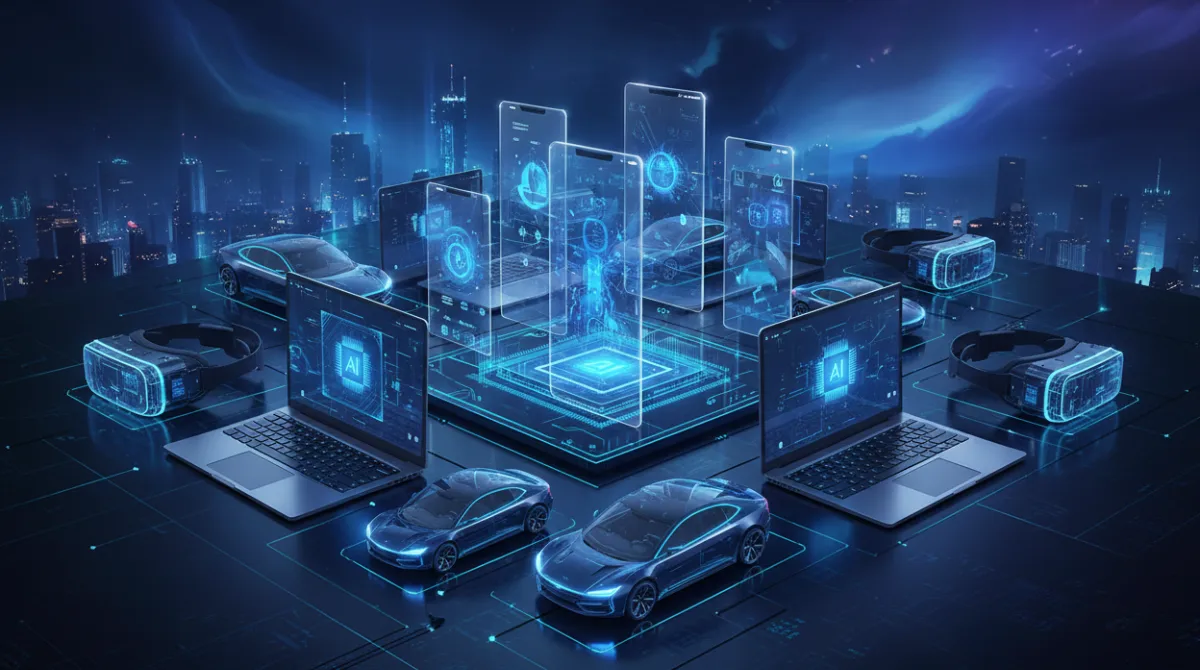
The trends below matter because they touch everyday routines such as how people search, work, learn, pay, travel and stay safe online. They also reveal where investment and regulation are likely to focus as adoption grows.
What Makes A Tech Trend Important In 2026?
A trend is important when it delivers clear value at scale, not only novelty. In 2026, the most meaningful trends reduce friction, lower costs and improve outcomes such as speed, accuracy, safety and accessibility.
Look for signals that a shift is real and durable. These signals usually show up in product defaults, platform policies and broad developer support.
- Ubiquity. The capability ships on mainstream phones, laptops, cars, or widely used apps.
- Measurable benefit. Users can feel the improvement in time saved, battery life, reliability, or ease of use.
- Trust and control. Privacy options, transparency and security hardening are built in rather than added later.
- Ecosystem pull. Developers, chipmakers and service providers align their roadmaps around the same direction.
When these factors appear together, the technology tends to reshape habits quickly.
AI Assistants Becoming More Useful In Daily Life
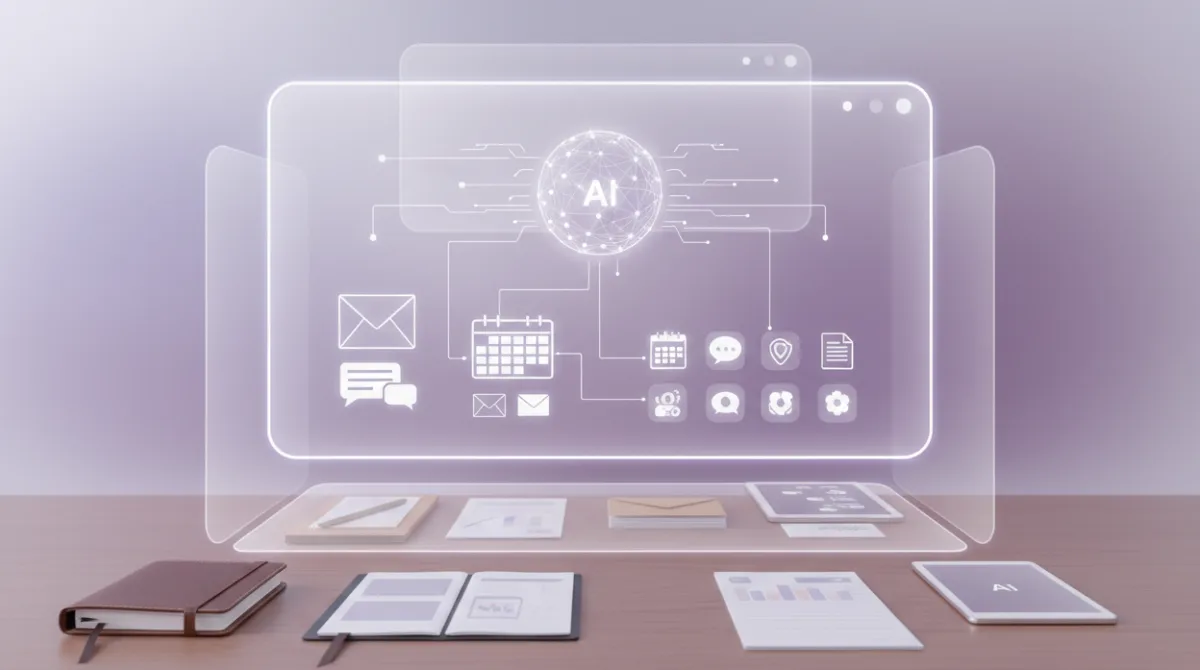
AI assistants in 2026 are moving beyond chat into practical, context-aware help. The big shift is from answering questions to completing tasks across calendars, messages, documents and apps with fewer prompts.
Better memory and personalization will be paired with stronger permission controls. The best assistants will ask before taking actions, show what they changed and make it easy to undo.
- Workflows. Drafting, summarizing, scheduling and follow-ups become faster through integrated action buttons.
- Communication. Tone rewrites, translation and meeting notes improve with clearer attribution and fewer hallucinations.
- Life admin. Bills, shopping lists, travel details and reminders become more proactive and less noisy.
This trend matters most when assistants respect boundaries and produce consistent, verifiable results.
On Device AI In Phones Laptops And Wearables
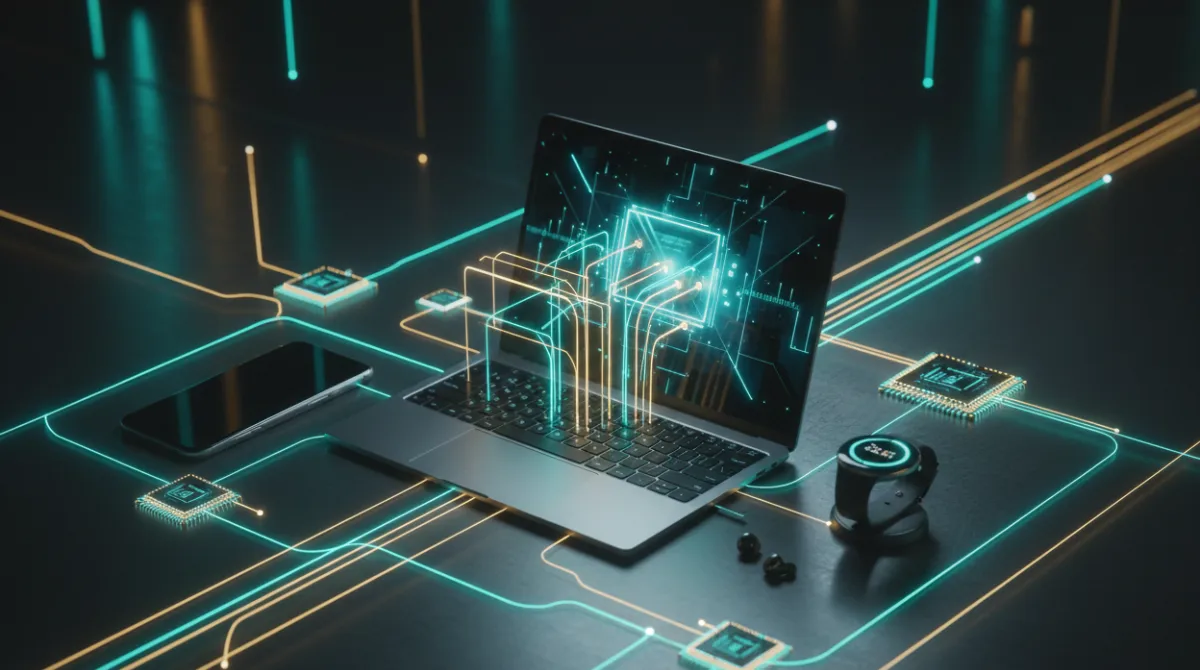
On-device AI brings inference and personalization to local hardware, cutting reliance on cloud calls. In 2026, more models will run directly on phones, laptops, earbuds, watches and fitness bands as memory and NPUs improve.
Local processing supports lower latency, offline use and reduced data exposure. It also enables continuous features such as live captioning, image enhancement and health signal analysis without always sending data out.
- Privacy by design. Sensitive inputs such as voice, photos and biometrics can stay local when possible.
- Responsiveness. Fast results make AI feel like a system feature rather than a separate app.
- Cost efficiency. Fewer cloud requests can lower service costs and reduce throttling for heavy users.
Tradeoffs remain, especially power draw and model size. Better quantization, caching and hybrid routing will decide which devices feel truly upgraded.
Smarter Search Powered By Generative AI
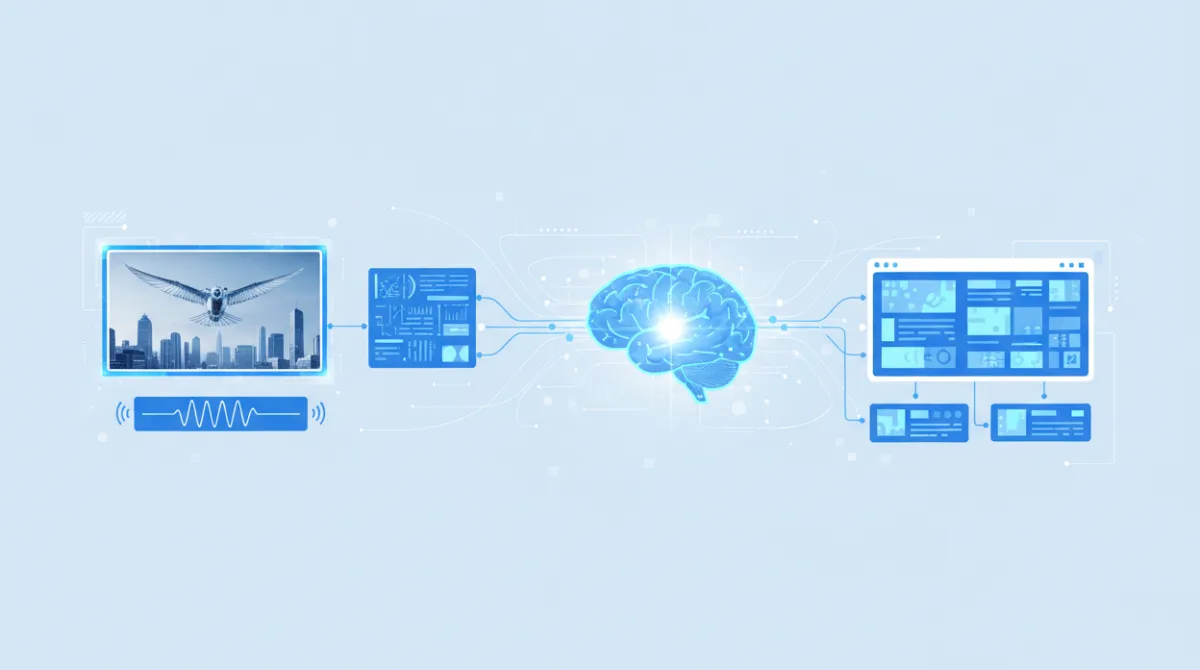
Search in 2026 is shifting from lists of links toward synthesized answers that still need strong sourcing. Generative AI will power query understanding, multimodal search and follow-up refinement so users can explore topics without rephrasing from scratch.
This changes what quality means. Accuracy, citations, freshness and bias controls become more important than clever phrasing and trust signals will separate reliable results from confident noise.
- Query expansion. Search can infer intent and surface related subtopics that users may not know to ask.
- Multimodal input. Photos, screenshots and voice queries become first-class inputs with better recognition.
- Decision support. Product comparisons and complex research become easier when pros, cons and constraints are summarized clearly.
Users will need better controls to switch between summary and source views, especially for health, finance and legal topics.
Next Generation Chips Driving Faster AI Performance
The pace of AI capability is tied to hardware. Next-generation chips in 2026 will deliver more TOPS per watt, improved memory bandwidth and tighter CPU, GPU and NPU coordination.
That translates into faster on-device inference, smoother creative tools and more stable real-time features such as background removal and speech enhancement. It also reduces the performance gap between premium and midrange devices as efficiency improves.
The hardware story is not only about raw speed. Packaging, thermal design and battery management will determine whether AI features can run continuously without draining devices or throttling under load.
| Trend Area | What Improves In 2026 | What Users Notice |
|---|---|---|
| On device AI | Higher NPU throughput and better model compression | Faster results and more offline features |
| AI ready laptops | More efficient memory pipelines and thermal control | Quieter fans and longer battery under AI workloads |
| Edge chips in wearables | Low power sensor fusion and always on processing | More accurate health insights with less data sharing |
| Data center accelerators | Better interconnects and higher utilization | Lower latency services and fewer peak time slowdowns |
This chip progress is the quiet enabler behind several other trends in this list.
Mixed Reality And Spatial Computing Gaining Traction
Mixed reality and spatial computing are becoming more practical as displays improve and developer tools mature. In 2026, lighter headsets, better passthrough and improved hand tracking will expand use beyond niche entertainment.
Adoption hinges on comfort, battery life and a clear set of everyday jobs it does better than a phone or laptop. Enterprise training, design review and remote assistance will continue to lead, while consumer use grows through social, fitness and media experiences.
- Spatial productivity. Multi-screen workspaces and 3D visualization can reduce context switching.
- Shared presence. More natural avatars and room mapping support collaboration that feels less flat.
- Content pipelines. Easier creation tools increase the supply of useful apps and experiences.
Progress will be uneven across platforms, but the direction is clear as hardware, operating systems and creator ecosystems align.
Cybersecurity Becoming A Bigger Consumer Priority
Cybersecurity is shifting from an IT concern to a household priority. In 2026, more attacks target identity, payments, SIM swapping and account takeovers, pushing consumers to demand stronger default protections.
Expect more passkeys, device-bound authentication and built-in scam detection across calls, texts and email. Privacy features will also expand, including permission dashboards and clearer data retention controls.
- Account safety. Passkeys reduce phishing risk and make logins faster across devices.
- Fraud detection. On-device analysis can flag suspicious behavior without uploading sensitive content.
- Home network hygiene. Routers and smart home hubs will ship with better updates and default isolation options.
The winners will be products that make security feel simple, not burdensome.
EV Battery And Robotics Innovation Accelerating
EV, battery and robotics innovation is accelerating through better chemistry, manufacturing scale and smarter control software. In 2026, the practical impact shows up in charging convenience, total cost of ownership and the reliability of automated systems.
Battery progress will focus on energy density, fast charging curves and longevity, with improved thermal management and diagnostics. Robotics will spread through warehouses, hospitals, farms and small businesses as perception and planning stacks become more capable.
- Energy storage. Better stationary batteries smooth renewable variability and improve resilience for homes and communities.
- Charging experience. More consistent real-world charging speeds reduce trip planning anxiety.
- Robotics at the edge. Lower-cost sensors and on-device AI enable safer navigation and more flexible tasks.
These shifts reinforce each other, since better batteries help robots and better automation improves battery production and supply chains.
Which 2026 Tech Trends Matter Most For Everyday Users
The most personal impact usually comes from technologies that reduce daily friction. For many people, that will be on-device AI, more capable assistants and stronger consumer security.
Prioritization depends on where you feel pain today, such as slow devices, messy information, or constant account risks. Use the checklist below to decide what deserves attention when upgrading devices or subscriptions.
- If you value privacy. Favor products with local processing, clear permissions and easy-to-audit settings.
- If you value speed. Look for newer NPUs, efficient chips and apps that disclose when AI runs on-device.
- If you value reliability. Prefer tools that show sources, provide change logs and offer safe undo options.
- If you value security. Enable passkeys, use device-based authentication and keep automatic updates on.
This approach keeps choices grounded in outcomes rather than hype.
Conclusion
The tech trends that could change 2026 share a common theme: they bring advanced capability closer to the user while raising expectations for trust, efficiency and control. AI becomes more embedded, chips make it practical and security and privacy move to the center of product design.
Pay attention to how these trends show up in defaults, not marketing. The most valuable upgrades will feel quieter, work offline more often and protect users automatically while still giving them clear choices.