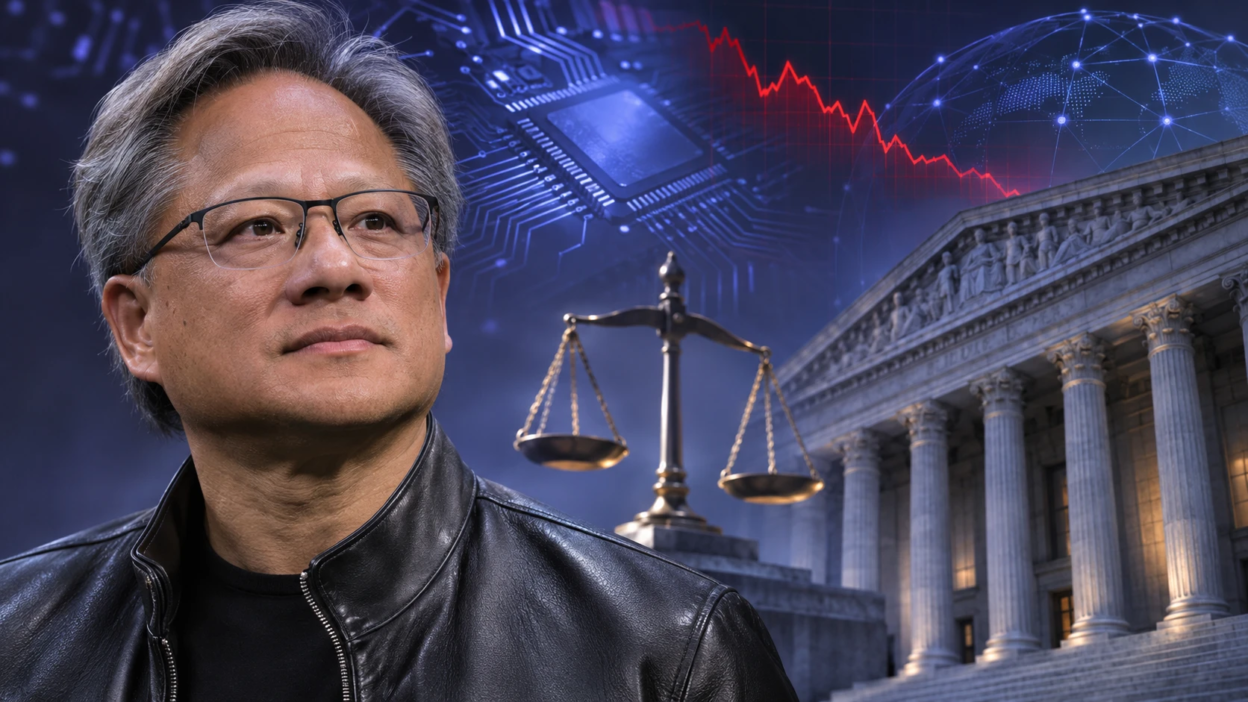
November 10, 2026 – Nvidia and its CEO, Jensen Huang, have been named in a proposed shareholder class-action lawsuit following reports of a suspected foreign intelligence operation involving the chipmaker’s leadership. The legal action comes after Nvidia’s board announced an independent investigation into reports that Huang may have been targeted by foreign intelligence. The company has not announced any confirmed security breach or finding of wrongdoing by its CEO.
The lawsuit was filed on November 9, 2026, in the US District Court for the Northern District of California. Publicly available lawsuit filing information identifies the case as Kistenmacher v. NVIDIA Corporation, No. 5:26-cv-13448. The complaint accuses Nvidia and Huang of misleading investors about the risks connected to his reported relationship with a former executive of Singapore-based Megaspeed. The shareholders claim that information about the relationship and possible national security concerns was not adequately disclosed.
The case involves Alice Huang, a former executive associated with Singapore-based technology company Megaspeed International. Despite sharing the same surname, she is not related to Jensen Huang. Previous news reports alleged that US authorities suspected Alice Huang of having connections to Chinese intelligence. However, those intelligence claims remain allegations, and the lawsuit has not established that she obtained confidential Nvidia information.
In its official November 8 board statement, Nvidia confirmed that it had launched an independent investigation following reports that CEO Jensen Huang was targeted by a foreign intelligence effort. A committee of independent directors, assisted by outside legal counsel, will oversee the review. The board did not identify a foreign government in its statement or announce any finding that Huang participated in espionage.
Nvidia stressed that it currently has no reason to believe its confidential information or US national security has been compromised. The company also expressed confidence in Huang’s leadership and confirmed that he would cooperate with the investigation.
On November 8, Huang also published a message to Nvidia employees, acknowledging that he had been unfaithful to his wife and apologizing to his family. He did not identify the other person in that statement or confirm the intelligence allegations. Huang said he supported the board’s independent investigation and would cooperate fully with the review.
The lawsuit, brought by investor Mark Kistenmacher, challenges statements made by Nvidia representatives and Huang about the company’s dealings with Megaspeed. The shareholders allege that earlier public comments presented those interactions as routine while leaving out information about the reported personal relationship and possible national security risks. The complaint argues that these omissions misled investors about potential threats to Nvidia’s reputation and business prospects. These claims have not been proven in court.
The proposed class action seeks to represent investors who purchased or acquired Nvidia securities between October 9, 2025, and November 8, 2026, including both dates. The lawsuit requests financial damages, but no specific amount has been announced. The proposed class has not yet been certified by the court, and the allegations remain subject to legal proceedings.
Nvidia shares closed at $178.67 on November 9, 2026, falling $7.97, or approximately 4.3%, from the previous trading session. The decline followed the board’s investigation announcement and wider uncertainty surrounding the company. Earlier that morning, TechBonafide had reported on Nvidia’s premarket stock decline. The shareholder lawsuit was filed after the US stock market closed, so the day’s decline should not be presented as a reaction to the lawsuit itself.
The situation is particularly important because Nvidia plays a major role in the global artificial intelligence industry. Its advanced chips power AI systems, cloud computing platforms, and large data centers used by technology companies worldwide.
Nvidia’s AI processors are central to ongoing technology and trade tensions between the United States and China. Under the US Bureau of Industry and Security’s January 2026 export licensing policy, applications involving certain advanced processors, including Nvidia H200 chips, may be reviewed individually when specific security conditions are met. TechBonafide previously explained these changes to Nvidia H200 chip export rules. The export restrictions are a separate issue from the unproven allegations involving the CEO.
The allegations have raised questions about whether foreign intelligence operations could target senior executives at major technology companies to gain access to valuable business information. However, the investigation has not established that Huang knowingly participated in any intelligence activity or that Nvidia’s technology was compromised.
China’s Foreign Ministry rejected the spying allegations during its November 9, 2026, press briefing, describing the claims as unsupported and directed against China. The denial represents the Chinese government’s official position and does not settle the allegations raised in US reporting. Nvidia, meanwhile, has expressed confidence in Huang’s leadership while its independent investigation continues.
Huang, who helped establish Nvidia more than three decades ago, remains one of the most influential executives in the AI industry. Under his leadership, Nvidia has become a major supplier of processors used to develop and operate advanced AI systems.
For investors, the main questions involve the accuracy of Nvidia’s previous public statements, the possible security risks raised in news reports, and how the company responds to the allegations. US lawmakers have also requested a congressional briefing from Huang concerning the reported intelligence activity. However, any long-term effect on Nvidia’s business relationships, regulatory oversight, or financial performance remains uncertain until further evidence and official findings become available.
For now, the shareholder allegations remain unproven, and Nvidia’s board says it has no reason to believe company secrets or US national security were compromised. The court proceedings and independent investigation may provide more information about the reported intelligence concerns and Nvidia’s previous disclosures. Until then, there is no confirmed finding that Huang knowingly participated in foreign intelligence activity or that sensitive Nvidia technology was exposed.