
No single tool wins every category, so the best AI image generator depends on your priority. If you need prompt accuracy, iterative editing and a guided workflow, ChatGPT is the most balanced choice.
If your goal is top-tier artistic style and visual quality, Midjourney is hard to beat. If your work depends on clean text rendering and design-led images, Ideogram is the most reliable option.
The most practical approach is to pick one primary tool for your main output type and keep a secondary tool for edge cases. That setup reduces friction while keeping quality high across different creative needs.
What Makes An AI Image Generator The Best In 2026?
The best AI image generator balances visual quality with consistent prompt adherence, predictable outputs and enough controls to iterate quickly. Strong safety filters also matter, but they should not block legitimate commercial design needs or slow down ideation.
Another key factor is editability – not just generating a great first image, but refining it without starting over. Tools that support inpainting, outpainting and simple object swaps reduce rework and keep a project coherent across variations.
Finally, text handling and layout awareness have become core requirements. Many teams now need images that behave like design assets with readable typography, spacing and export-friendly framing.
ChatGPT Vs Midjourney Vs Ideogram At A Glance
These three tools have different strengths and the right pick depends on your target output. Some users prioritize artistic control, while others need accurate prompts, editable iterations and dependable text in images.
The comparison below highlights practical differences you will feel in daily use.
| Category | ChatGPT | Midjourney | Ideogram |
|---|---|---|---|
| Best For | Prompt clarity, iterative edits, guided refinement | Artistic style, cinematic aesthetics, high-impact visuals | Text rendering, poster-like layouts, design-led imagery |
| Prompt Adherence | Strong on detailed constraints and revisions | Moderate, often favors aesthetics over strict instructions | Good for layout and typography constraints |
| Text In Images | Improving, but still variable for long copy | Inconsistent for clean typography | Best-in-class readability and spacing |
| Workflow | Conversational iteration, easy concept exploration | Parameter-driven creation and remix culture | Design-first generation with strong text controls |
With the big picture clear, the next sections break down how each tool performs in real creative tasks.
ChatGPT For Prompt Accuracy And Easy Image Editing
ChatGPT works well when you need high prompt accuracy, constraints that stick and fast revisions without rewriting everything. The conversational flow makes it easier to refine composition, subject details and background elements through short, targeted changes.
It also supports an accessible editing mindset. When an image is close but not quite right, you can focus on a single adjustment like lighting, wardrobe, lens look, or background cleanup, rather than regenerating from scratch.
ChatGPT tends to excel with structured creative direction such as camera language, color palettes, or brand-safe variations. It is also strong when you need multiple versions that remain consistent across a set of outputs.
Midjourney For Artistic Style And Visual Quality
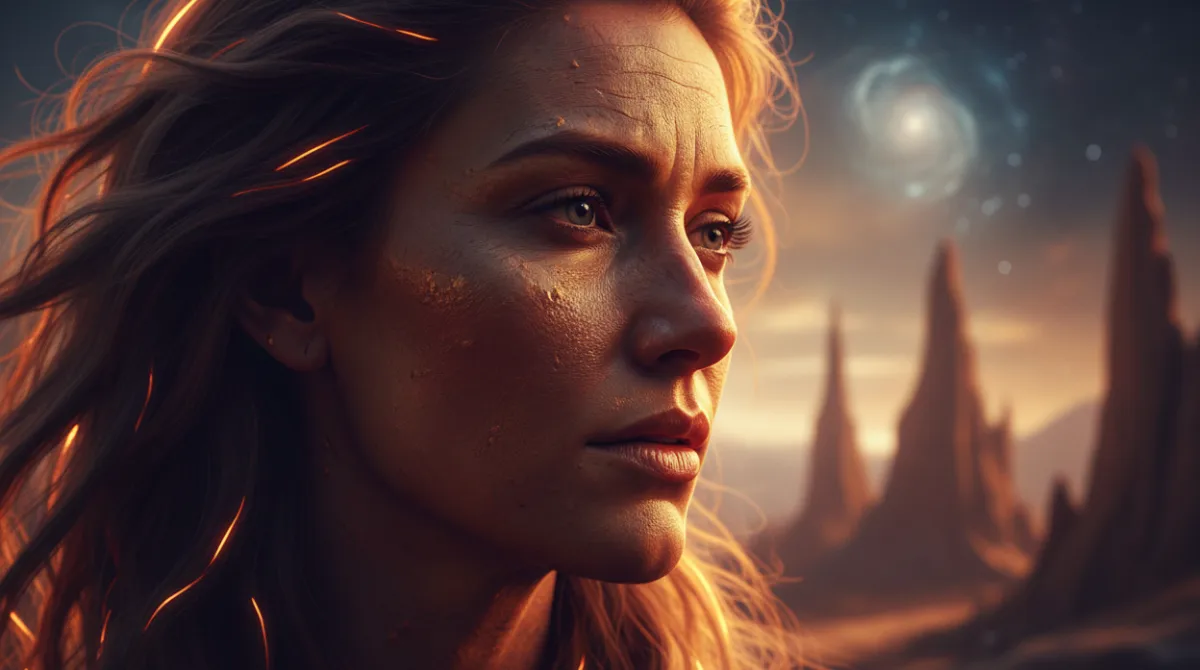
Midjourney is often the top pick when artistic style and visual quality matter most. Its outputs can look polished, dramatic and intentionally composed, especially for illustration, conceptual art and mood-driven creative work.
The tool rewards experimentation with parameters and stylistic prompting. That strength can also become a drawback when a project requires strict adherence to detailed requirements, since Midjourney may prioritize aesthetic cohesion over literal instructions.
If your goal is standout visuals for campaigns, album art-like compositions, or cinematic frames, Midjourney remains a strong contender. It is particularly good at lighting drama, texture richness and stylized worlds.
Ideogram For Text Rendering And Design Led Images
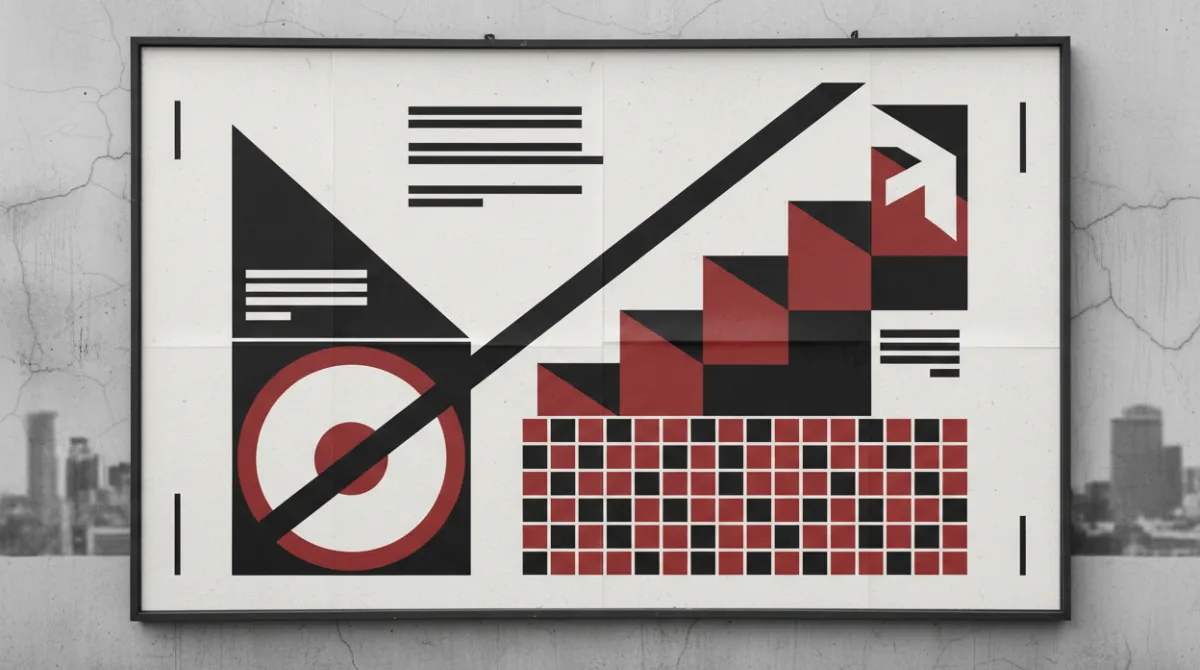
Ideogram shines when text in images is not optional but central to the design. It is well suited for posters, signage, product labels, thumbnails and ad-like creatives where typography needs to be legible and aligned.
Beyond readability, Ideogram tends to handle layout intent better than many image generators. That includes spacing, margins and visual hierarchy, which can reduce the time needed to fix compositions in a design tool.
For teams producing repeated promotional assets, Ideogram offers a practical advantage. Fewer generations are wasted on garbled text, which improves speed and reduces cost per usable creative.
Image Quality Comparison Which Tool Produces The Best Results
Image quality is not only sharpness or resolution. It includes realism, anatomy consistency, edge cleanliness, lighting logic and whether an image feels intentional rather than random.
Midjourney typically leads in immediate visual impact and artistic finish. ChatGPT can produce strong results and improves quickly through iterative refinement, while Ideogram focuses more on design readability and layout stability than pure cinematic polish.
- Midjourney: Often strongest for stylized composition, lighting drama and artistic cohesion.
- ChatGPT: Strong for controlled iterations and cleaning up details over multiple passes.
- Ideogram: Best when image quality includes typography, spacing and graphic clarity.
Once you decide what quality means for your use case, instruction following becomes the next deciding factor.
Prompt Adherence Comparison Which Tool Follows Instructions Better
Prompt adherence means the tool respects constraints such as subject count, exact objects, camera framing, style exclusions and required text. Consistent adherence reduces iteration loops and helps teams standardize outputs across campaigns.
ChatGPT generally performs best when instructions are multi-part and you need to revise only one variable at a time. Ideogram follows layout and text constraints well, while Midjourney may deviate when it finds a more aesthetically pleasing direction.
- ChatGPT: Best for complex requirements, controlled changes and clarifying intent through dialogue.
- Ideogram: Strong for text, layout cues and poster-like compositions.
- Midjourney: Best when you want creative interpretation and style exploration over strict compliance.
That adherence gap becomes most visible when typography is involved.
Best AI Image Generator For Text In Images
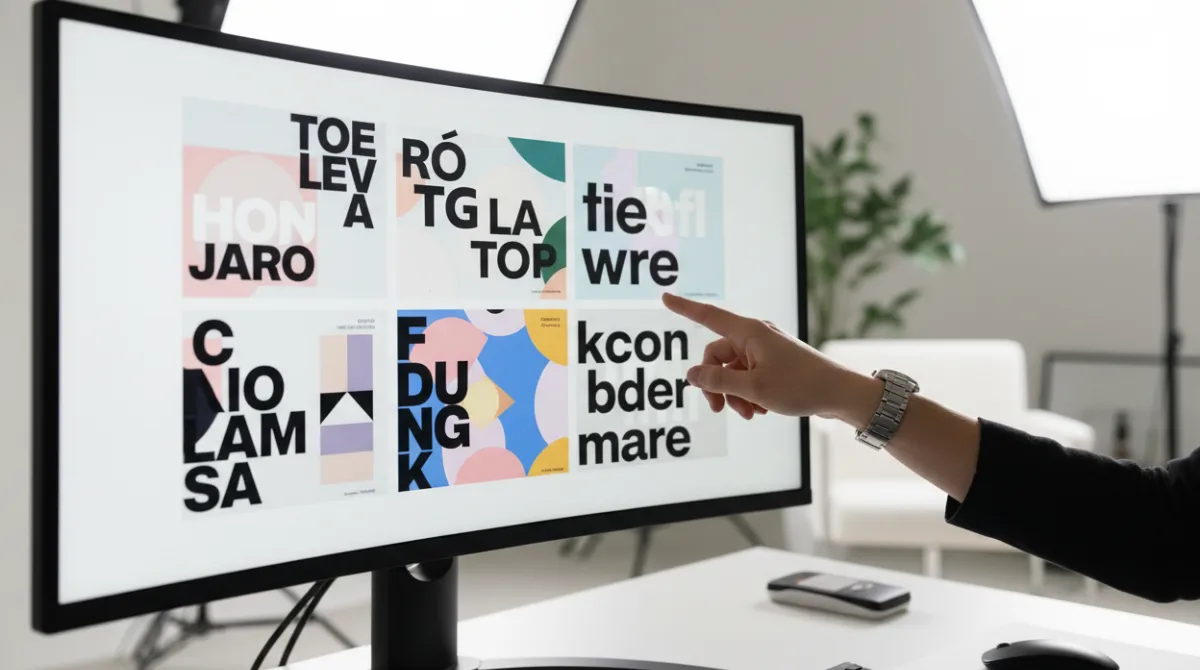
If readable text is required, Ideogram is usually the safest bet. It is built to handle letterforms, spacing and placement in a way that resembles a designed asset rather than a purely generated picture.
ChatGPT can work for short text and simple labels, especially when you can iterate quickly. Midjourney can produce appealing title-like shapes, but it is less reliable when you need exact words, correct spelling, or consistent typography across versions.
When accuracy matters, keep text short, avoid dense paragraphs and favor clear typographic intent. That approach improves results across all three tools, but Ideogram benefits the most.
Best AI Image Generator For Photorealistic Images
Photorealism requires believable lighting, natural texture, consistent anatomy and a camera-like feel. Midjourney often excels at cinematic realism and high-impact portraiture, especially when you want a strong aesthetic signature.
ChatGPT is a strong option when photorealism must match a precise brief, such as a specific environment, wardrobe constraints, or brand-safe tone. Ideogram can produce realistic imagery too, but it is most compelling when photorealism is paired with designed text elements.
For photorealistic work, you will get better results by specifying lens cues, lighting style and background simplicity. Clean constraints reduce artifacts and improve consistency across variations.
Best AI Image Generator For Social Media And Marketing Creatives
Marketing creatives need speed, repeatability and outputs that look intentional at small sizes. Text clarity, bold framing and consistent branding often matter more than artistic nuance.
Ideogram is a strong choice for ad-like creatives where headlines must be readable. ChatGPT works well for rapid iteration and versioning across formats, while Midjourney is ideal when your brand strategy leans on distinctive visual style and scroll-stopping art direction.
- Thumbnail And Header Graphics: Ideogram for legible text and clear hierarchy.
- Brand Variant Production: ChatGPT for controlled changes across multiple assets.
- Campaign Visual Direction: Midjourney for high-impact style and mood consistency.
Workflow friction is the next factor that can make or break daily adoption.
Ease Of Use Workflow And Learning Curve Compared
Ease of use is not only interface design. It includes how quickly a user can get consistent results, how errors are corrected and whether iteration feels natural or technical.
ChatGPT tends to have the lowest learning curve for prompt refinement because it supports back-and-forth instruction. Midjourney often rewards deeper knowledge of parameters and stylistic prompting, while Ideogram sits in the middle with a design-first approach that many marketers and designers find intuitive.
- Fast Start: ChatGPT for conversational guidance and quick corrections.
- Power Tuning: Midjourney for creators who enjoy dialing in style and aesthetic variance.
- Design Output Focus: Ideogram for layout-driven assets and text-centered visuals.
Once you understand workflow fit, pricing and value become easier to judge.
Pricing And Value Comparison In 2026
Value is not only the subscription cost. It includes usable output rate, time spent iterating and how often you need another tool to finish the asset.
ChatGPT can deliver strong value when you use it as a creative partner for iteration and refinement. Midjourney can be cost-effective for high-quality artistic output, while Ideogram often provides the best value when text correctness reduces wasted generations and post-editing.
Before paying for a higher tier, track how many generations it takes to get one usable asset. That simple measure often reveals the most cost-effective tool for your workflow.
Which AI Image Generator Is Best For Beginners?
Beginners benefit from guardrails, predictable controls and an interface that helps them learn prompting without feeling technical. ChatGPT is typically the easiest entry point because it can guide prompt writing, explain why an output missed the goal and help revise quickly.
Ideogram is also beginner-friendly if the goal is creating posters, thumbnails, or simple ad creatives with readable text. Midjourney can be beginner-accessible, but many users need more time to learn parameter habits and style control.
- Best Overall For Beginners: ChatGPT for guided prompting and iterative editing.
- Best For Beginner Marketing Creatives: Ideogram for text-heavy assets and clear layouts.
- Best For Beginner Art Exploration: Midjourney for quick access to strong style outputs.
Creative pros often prioritize different qualities than new users, especially around consistency and art direction.
Which AI Image Generator Is Best For Designers And Creative Professionals?
Designers and creative professionals typically care about control, consistency and the ability to produce a coherent series. They also need outputs that integrate cleanly into a broader workflow with layout, branding and iteration cycles.
Midjourney is a strong pick for art direction, visual exploration and high-end stylistic output. Ideogram works well for design-led images where typography and hierarchy are central, while ChatGPT supports structured iteration and prompt systems for repeatable production.
- Art Direction And Style Systems: Midjourney for distinctive visual language and polished aesthetics.
- Typography And Layout Assets: Ideogram for readable text and poster-like composition.
- Repeatable Production And Revisions: ChatGPT for controlled changes and prompt governance.
With those roles in mind, you can pick a tool based on the work you do most often.