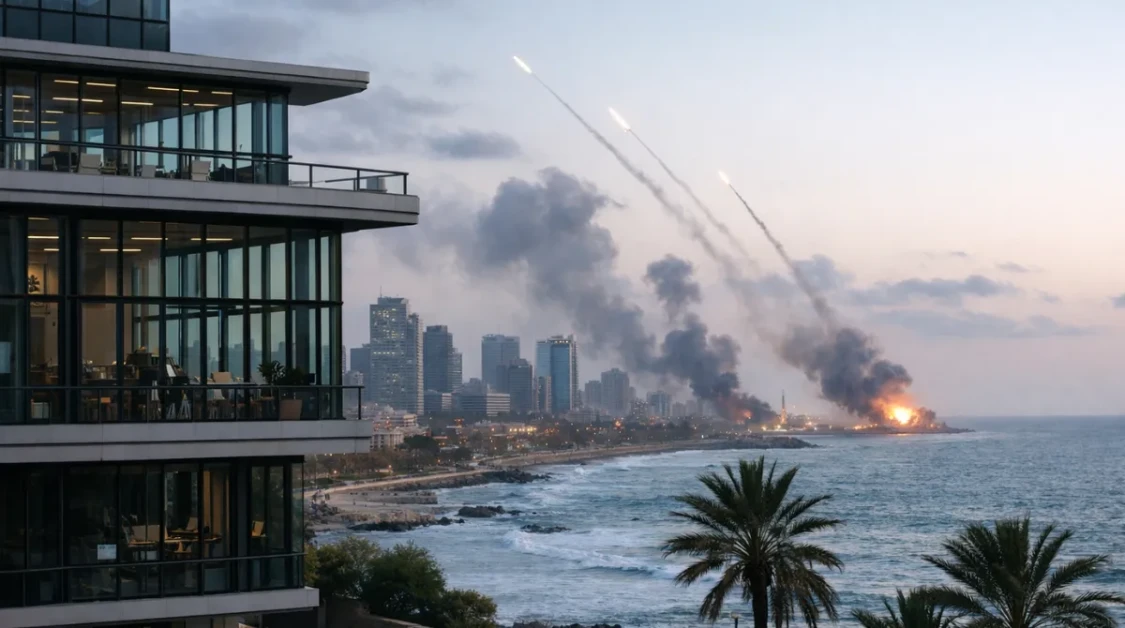

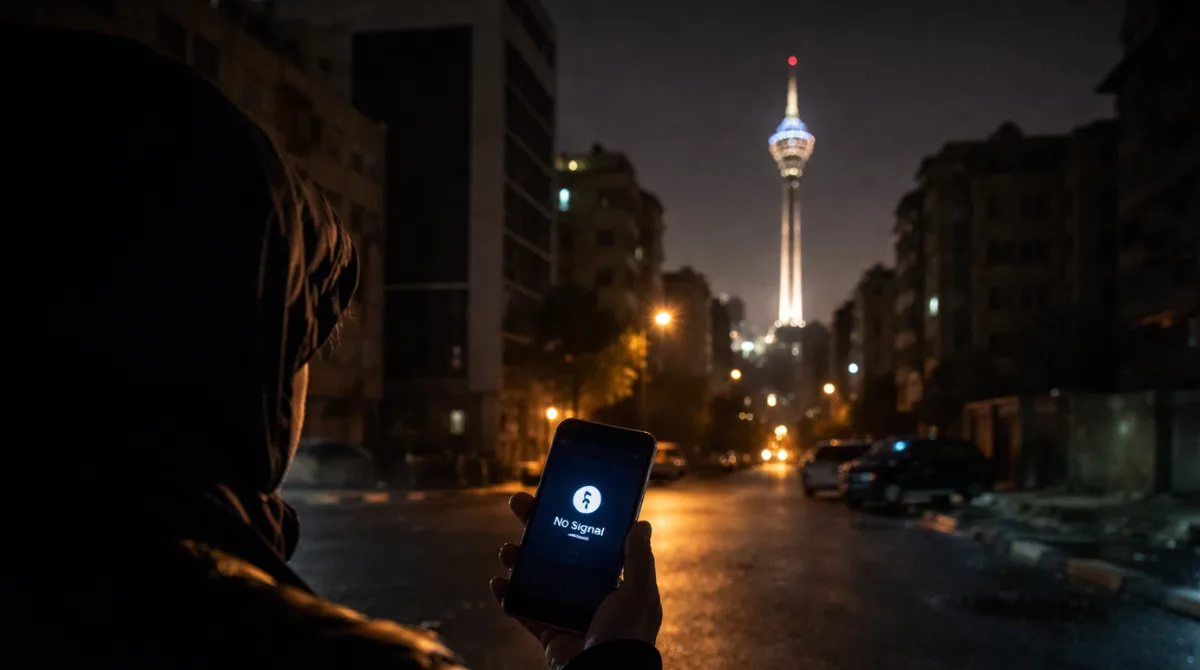
Iran internet blackout emerged as a central feature of the crisis after the country went dark about four hours after the first strikes. The shutdown sharply reduced information leaving Iran and disrupted how people inside the country communicated, making it harder to track conditions in different cities or confirm where it was safe to move.
Analysts said only a limited share of the disruption appeared linked to physical damage, including possible fibre optic issues and other technical failures affecting several networks. The broader pattern suggested the Iran internet blackout was largely an intentional state action aimed at controlling information during a volatile moment.
Researchers described the cutoff as nearly as extensive as the major shutdown earlier this year. Mobile phones still appeared to function domestically, but most external connectivity was effectively severed, leaving many people without reliable contact unless they had access to alternative systems such as satellite internet.
The blackout also changed civilian decision-making on the ground. With fewer verified updates, some people may have stayed home because they could not coordinate with others, while others may have moved into uncertain areas without knowing the risks. The effect was compounded by closed airspace and border restrictions, which deepened the sense of isolation and reduced visible exit options for ordinary residents.