
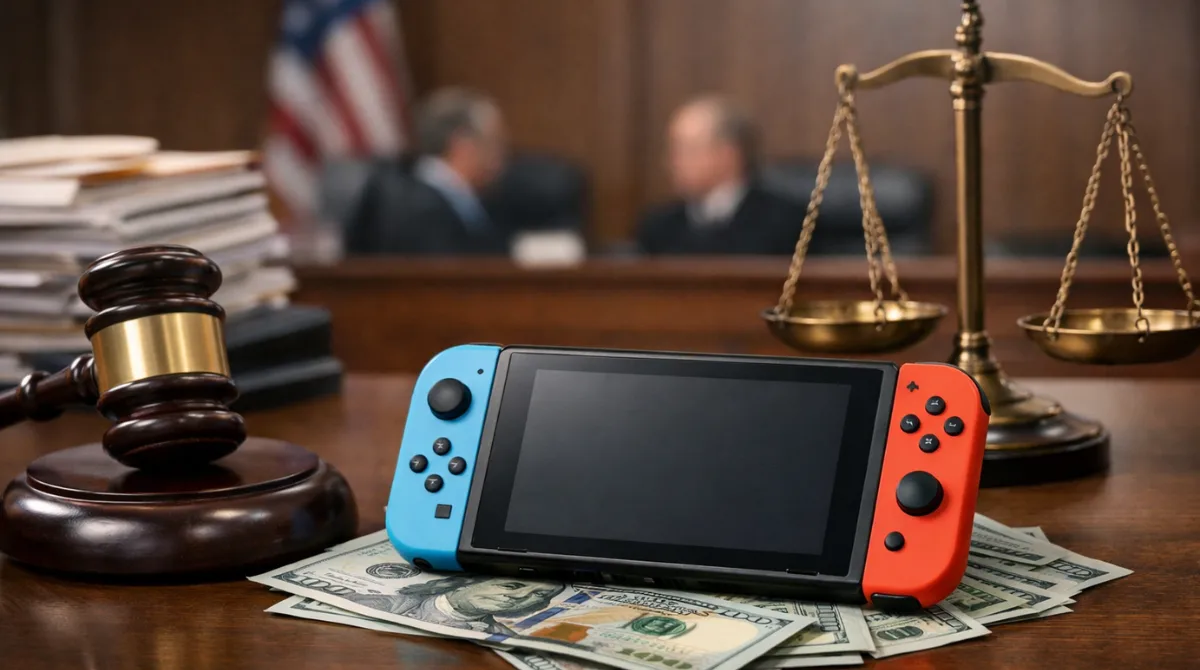
Nintendo’s tariff lawsuit has moved a major trade dispute into a commercial spotlight, with the company seeking refunds and interest for duties paid under Trump-era measures that were later struck down. The case was filed in the U.S. Court of International Trade and names multiple federal departments, agencies and administration officials as defendants.
At the center of the Nintendo tariff lawsuit is the claim that unlawful trade actions led to tariff collections on imports from nearly all countries, including products tied to Nintendo’s overseas manufacturing network. The company said only that it had filed the complaint and had nothing further to add.
The filing also arrives at a sensitive moment for the business. Nintendo makes consoles and accessories largely in Vietnam and China and shifting tariff policy disrupted its U.S. Switch 2 launch plans. The company delayed preorders, kept the console’s base price unchanged and increased prices on some accessories.
The broader significance goes beyond trade policy. Nintendo’s case connects three issues that rarely collide in one dispute:
- Refund claims for duties already paid
- An unfinished federal repayment process
- Pricing pressure during a major hardware rollout
That makes the lawsuit a closely watched test of how quickly importers can recover funds after rapid legal and policy reversals.