

Teams are moving beyond assistants that only talk and toward systems that can also act with guardrails. This comparison breaks down how OpenClaw differs from traditional AI chatbots, where each approach fits and what changes when AI can execute tasks end to end.
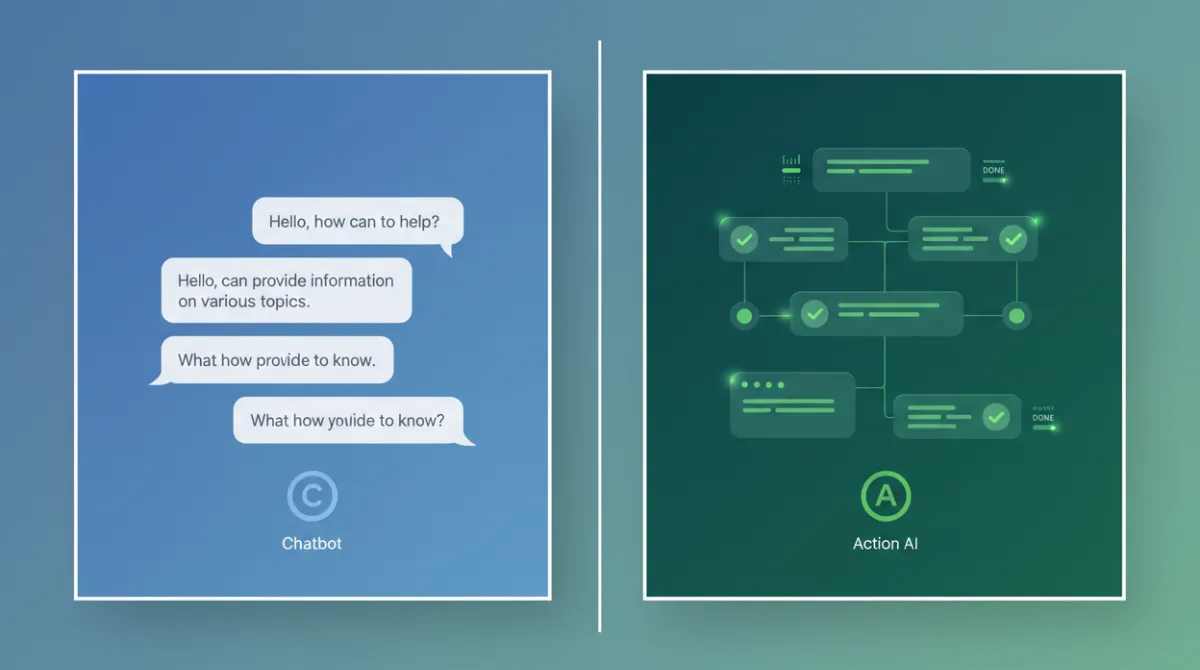
The core distinction is intent and output. A chatbot is optimized for responses, while action-based AI is optimized for outcomes across tools, data and workflows.
What Is OpenClaw?
OpenClaw is an action-based AI approach designed to plan, execute and verify work across connected systems. Instead of stopping at a message, it can invoke tools, follow a policy and produce artifacts such as updated records, filed tickets, or completed transactions.

It emphasizes orchestration and control. That typically includes permissioning, tool scoping and traceable execution so results can be audited and repeated.
What Are Traditional AI Chatbots?
Traditional AI chatbots are conversational systems built to interpret prompts and generate language outputs. They are strong at summarizing, drafting, translating and answering questions when given enough context in the chat.
Many chatbots can call tools, but their primary interface and success metric remains conversational quality. They often depend on the user to drive the process, validate details and perform actions outside the chat window.
OpenClaw Vs AI Chatbots Core Differences
The differences show up in architecture, reliability expectations and how work is measured. Action-based AI treats tool use, state tracking and completion criteria as first-class components.
Conversational AI treats the dialogue as the main product. Any tool execution is commonly an add-on and may not include strict verification, rollback, or policy enforcement.
| Comparison Area | OpenClaw Action Based AI | Traditional AI Chatbots |
|---|---|---|
| Primary output | Completed task with evidence | Text response and guidance |
| Workflow control | Policy, permissions and scoped tools | User driven, chat centered control |
| Reliability model | Plans, checks, retries and validation | Best effort responses, variable follow through |
| Observability | Logs, traces and audit ready records | Conversation history, limited execution traces |
This table makes the practical tradeoffs clearer. Choosing well depends on how much execution and accountability the work demands.
Action Based AI Vs Conversational AI
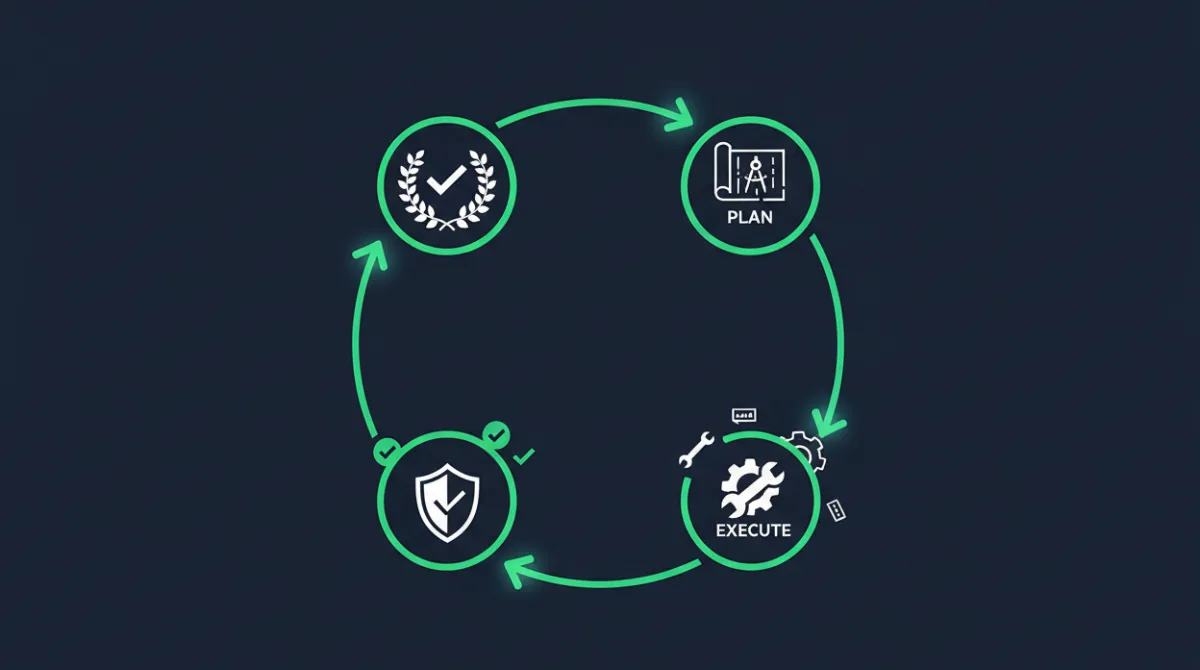
Action-based AI is built around a loop of planning, doing and confirming. It needs structured inputs such as tool schemas, permissions and success criteria so it can decide what to do next and know when it is done.
Conversational AI is built around understanding intent and producing helpful language. It can guide decisions, but it does not inherently guarantee that downstream work is executed correctly or consistently.
How The Interaction Model Changes?
With action-based AI, the user often specifies a goal and constraints, then the system executes within boundaries. The conversation becomes a control layer rather than the product.
With chatbots, the user stays in the driver seat for most execution. The dialogue is the workspace and many tasks remain manual outside the chat.
How Success Is Measured?
OpenClaw style systems can be evaluated on completion rate, error rate, time to completion and policy compliance. Those metrics map directly to business outcomes such as fewer handoffs and fewer rework cycles.
Chatbots are often measured on user satisfaction, helpfulness and response quality. Those are valuable, but they can fail to capture whether the work actually got done.
How OpenClaw Performs Real World Tasks?
OpenClaw performs tasks by combining intent recognition with an execution engine. It selects tools, passes structured parameters, manages state across steps and validates results before it reports completion.
That execution typically includes safeguards such as tool allowlists, scoped tokens and required confirmations for high risk actions. It also benefits from idempotent operations and rollback strategies when a tool fails midstream.
Common Capabilities In Action Execution
- Tool orchestration. Connects to APIs and services with controlled scopes and predictable inputs.
- Stateful workflows. Tracks what has been completed so long tasks can resume without starting over.
- Validation and evidence. Confirms outputs against rules, then stores logs for review and audits.
- Human approvals. Inserts checkpoints when a policy requires review before writing data or spending money.
These capabilities reduce the gap between recommendation and execution. They also make it easier to run the same workflow repeatedly with consistent behavior.
Limitations Of Traditional AI Chatbots
Chatbots struggle when the task requires strict correctness, multi-system state and durable verification. A well phrased answer can still be wrong and a suggested sequence can still break when confronted with real tool constraints.
They also face friction around context and continuity. When a workflow spans multiple tools, the user often has to paste data, confirm assumptions and reconcile outputs across systems.
Typical Failure Modes
- Hallucinated details. Generates plausible but incorrect data, which creates risk when copied into systems.
- Weak execution guarantees. Stops after advice, leaving the user to carry out actions and confirm results.
- Limited auditability. Conversation logs do not always capture tool side effects or access decisions.
- Context drift. Long threads can lead to missed constraints, inconsistent outputs, or repeated questions.
These limitations do not make chatbots unhelpful. They indicate where a chat-first model needs extra controls, integrations and human checks to be safe.
Use Cases Where OpenClaw Has An Advantage
OpenClaw has an advantage when work must be completed, not just described. The more systems involved and the more expensive a mistake becomes, the more action-based AI delivers value.
It also fits environments where compliance and traceability matter. Logs, approvals and permission boundaries can be designed into the workflow rather than bolted on later.
Areas Where Action Based AI Often Wins
- IT service workflows. Triages, categorizes, routes and updates tickets while enforcing change controls and required fields.
- Ops and finance automation. Reconciles records, prepares approvals and posts updates with validation against policies.
- Customer support resolution. Executes account actions through scoped tools, then documents what changed for the record.
- Data maintenance. Cleans, deduplicates and updates structured data while producing a reviewable change log.
These use cases share a need for reliable tool execution. They also benefit from repeatable runs and measurable completion outcomes.
When Traditional AI Chatbots Still Make More Sense?
Traditional AI chatbots make more sense when the goal is communication, creativity, or quick understanding. They shine in low risk tasks where the user wants drafts, summaries, brainstorming, or fast explanations.
They also work well when tool access is not available or not appropriate. In those cases, a strong conversational assistant can still reduce cognitive load and speed up knowledge work.
Best Fit Chat First Scenarios
- Writing and editing. Produces drafts, rewrites, style alignment and tone adjustments with minimal setup.
- Research synthesis. Organizes notes and compares ideas using the information the user provides in the thread.
- Training and coaching. Helps users practice explanations, prepare scripts and refine messaging.
- Internal knowledge navigation. Answers questions from provided documentation and summarizes long pages into action items.
When the main output is language, chatbots are efficient. When the main output is a completed task, action-based AI becomes more compelling.
Security And Control In OpenClaw Vs AI Chatbots
Security is where action-based AI must be stricter by default. Once AI can write data, trigger workflows, or spend resources, it needs clear boundaries and accountable execution.

OpenClaw oriented designs typically focus on least privilege access, explicit tool scoping and traceable operations. Traditional chatbots can support these patterns too, but many deployments remain chat-centric with lighter controls.
Control Mechanisms That Matter
- Permission scoping. Each tool call is restricted to what the workflow needs, reducing blast radius.
- Approval gates. High impact actions require review before execution, especially for deletions and payments.
- Audit trails. Execution logs capture inputs, outputs and decisions so issues can be investigated.
- Data handling rules. Sensitive data is masked, minimized and retained according to policy.
Security and control should be designed as part of the system, not as a user instruction inside a chat. That shift is one of the strongest arguments for action-based AI in regulated or high risk workflows.
The Shift From Talking AI To Doing AI
The industry is moving from helpful conversation toward reliable execution. That shift does not replace chatbots, but it changes expectations when AI is embedded into business processes.
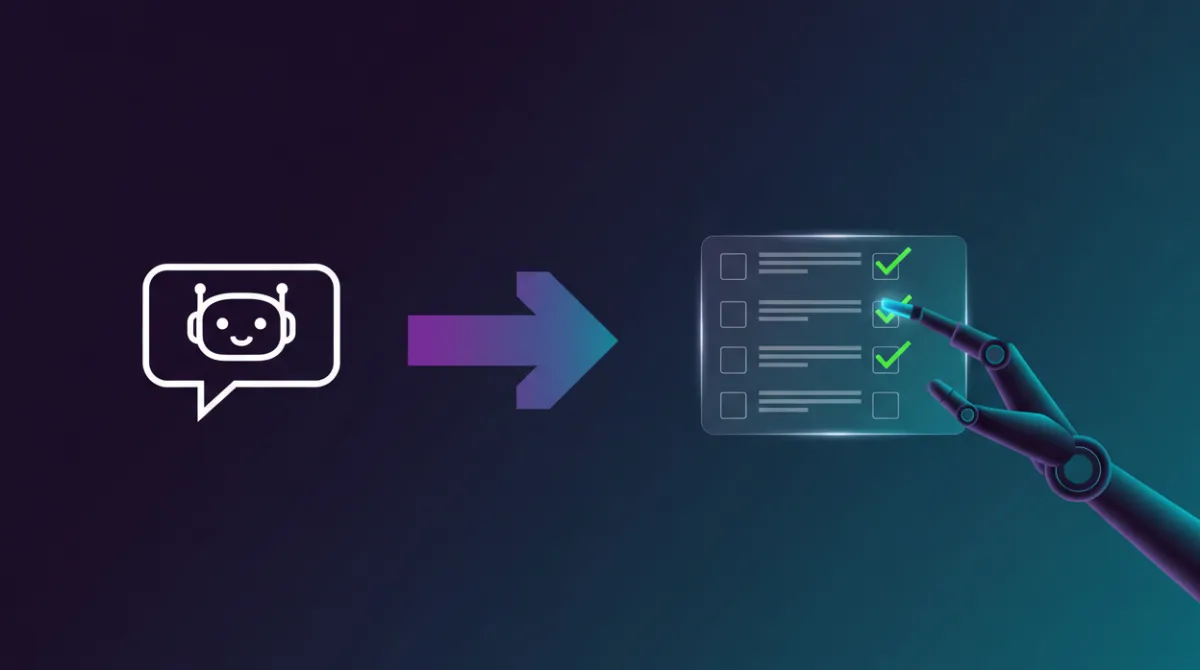
Action-based AI raises the bar on observability, permissions and correctness. It also pushes teams to define what done means, how success is verified and how errors are handled.
Conclusion
OpenClaw vs AI chatbots is ultimately a comparison between outcome driven automation and conversation driven assistance. OpenClaw aligns with workflows that require tool execution, validation and accountability.
Traditional AI chatbots remain the right choice for drafting, summarizing and fast guidance in low risk tasks. The best approach is often a combined model where conversation sets intent and action completes the work under strong controls.