

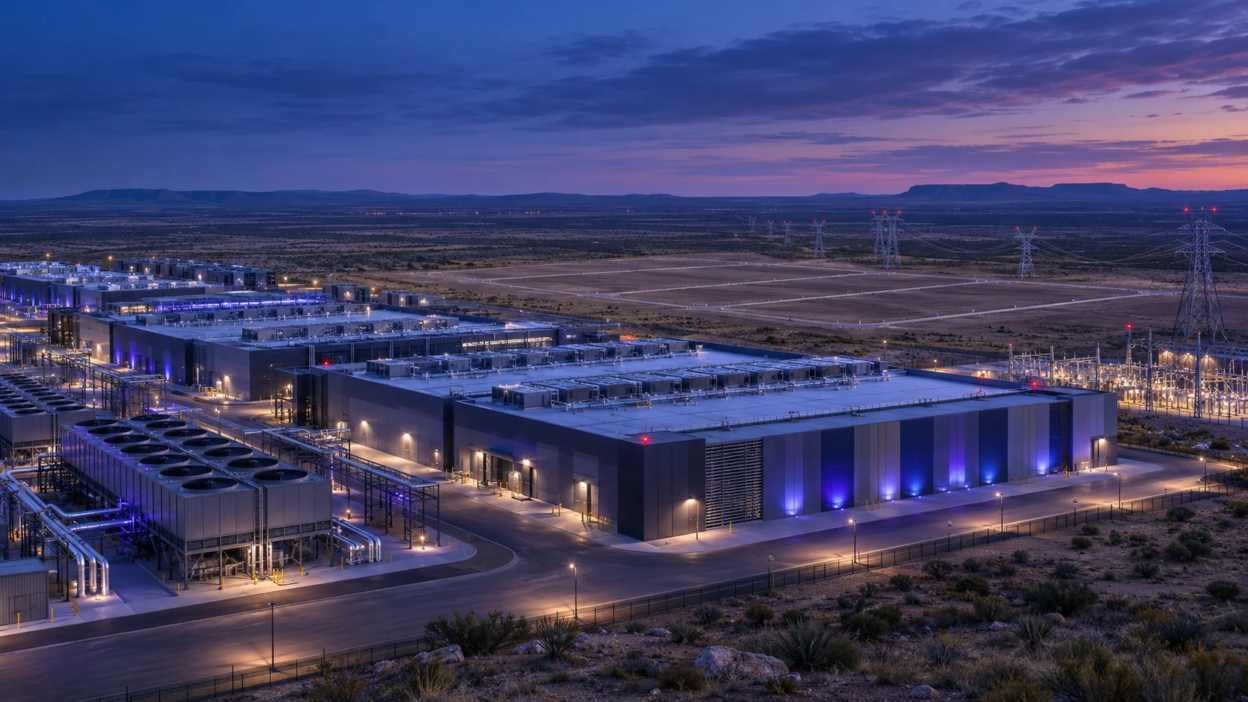
Microsoft has reportedly declined an option to significantly expand its artificial intelligence (AI) computing agreement with UK-based Nscale in Texas. According to a November 5, 2026, Financial Times report citing people familiar with the matter, the unused expansion option could have been worth tens of billions of dollars.
In October 2025, Nscale announced plans to provide Microsoft with approximately 240 megawatts (MW) of AI computing infrastructure at a Texas facility leased from Ionic Digital. The Financial Times has now reported that Microsoft declined a separate expansion option involving approximately 500 MW of additional capacity at Nscale’s own site in Ward County, Texas.
The reported decision concerns optional future computing capacity, not the cancellation of Microsoft’s existing Texas agreement. It means Nscale may need to find other customers for the additional capacity that Microsoft has reportedly chosen not to lease.
Nscale is a UK-based AI cloud infrastructure provider that develops data centers and supplies powerful computing systems for artificial intelligence workloads. The Nvidia-backed company works with major technology businesses that need large numbers of advanced graphics processing units (GPUs) to train and run AI models.
Large AI systems need powerful computer chips, advanced cooling equipment, reliable electricity, and high-speed network connections. Companies such as Microsoft depend on these facilities to support cloud computing services and AI-powered products used by businesses and individuals.
The Texas development follows a separate setback involving Microsoft and Nscale in the United Kingdom. On October 18, 2026, Microsoft confirmed it was ending its agreement for Nscale’s proposed Loughton data center in Essex, describing the decision as specific to that site.
That earlier decision was linked to delays in connecting the UK facility to the electricity network. The expected availability of power had reportedly been pushed into the 2030s, creating uncertainty about when the project could begin supporting large computing workloads.
The reason Microsoft reportedly declined the Texas expansion option has not been publicly established. Although costs, future computing needs, and infrastructure planning could influence such decisions, there is no confirmed evidence identifying any of these factors as the cause in this case.
Microsoft and Nscale declined to comment to the Financial Times about the reported Texas decision. Although the unused option was described as potentially worth tens of billions of dollars, its precise commercial terms and financial consequences have not been publicly established.
The development comes as technology companies continue spending heavily on infrastructure to support artificial intelligence. Demand for AI computing power has increased as businesses adopt advanced tools for writing, coding, data analysis, customer service, and other daily tasks.
Microsoft is among the major companies investing in this growing market. Its Azure cloud platform provides computing services to businesses, while products such as Microsoft Copilot use AI to help users complete different tasks. Supporting these technologies requires access to powerful servers and large amounts of computing capacity.
Microsoft’s 2026 annual report also describes how continued investments in cloud and AI infrastructure have increased the company’s operating costs as demand for its services grows. Beyond renting computing power from infrastructure partners, Microsoft has also been preparing its own AI hardware, including developments covered in TechBonafide’s report on Microsoft’s Maia 300 AI chip plans.
Building AI data centers requires major investment and careful planning. Developers must secure land, electricity, specialized computer chips, cooling equipment, and high-speed networks. Electricity availability is especially important because grid connection delays can prevent new facilities from becoming operational on schedule.
Similar infrastructure concerns have also surrounded Oracle’s Project Jupiter data center in New Mexico, where energy requirements and regulatory challenges have attracted attention.
The reported decision comes at an important time for Nscale, which is preparing for a potential stock market listing targeting a valuation of approximately $35 billion. Large customer agreements help AI infrastructure providers attract investment and finance expensive data center projects. Losing a possible expansion deal could increase pressure on Nscale to find other customers, even though its existing agreements remain in place.
The reported Microsoft decision could also encourage closer attention to how quickly AI infrastructure companies are expanding and whether their planned facilities match the computing capacity customers actually need. Infrastructure growth is also attracting greater regulatory attention, as seen in recent developments involving Virginia’s tighter data center rules.
At the same time, Microsoft’s choice should not automatically be seen as a reduction in its overall commitment to artificial intelligence. The company continues to operate and invest in cloud infrastructure, and declining one expansion opportunity does not establish that its broader AI plans have changed. Other infrastructure developments, including Microsoft’s Azure data center expansion in India, provide additional context for the company’s wider cloud strategy.
Nscale has reportedly secured agreements with robotics company Figure and other customers for computing capacity at its Ward County operations. The company is also understood to be speaking with additional potential customers. According to a person familiar with the matter cited in the Financial Times report, Microsoft’s decision is not expected to reduce Nscale’s stated $103 billion contracted backlog.
The situation highlights an important challenge facing the technology industry: demand for artificial intelligence continues to grow, but companies must balance ambitious expansion plans with costs, electricity requirements, construction schedules, and long-term customer needs.
The next important developments will be whether Nscale secures new customers for its additional Texas capacity and whether either company provides more information about Microsoft’s decision. For now, the reported move shows that even major AI investors can reconsider individual expansion opportunities while maintaining their existing infrastructure commitments.


