
Privacy concerns are growing across the United States over Flock Safety’s automated license-plate reader cameras, as residents, activists and some local governments question how much vehicle data should be collected and who should be allowed to access it. Opposition has appeared across different political groups, turning the cameras into a wider debate about technology, policing and personal privacy.
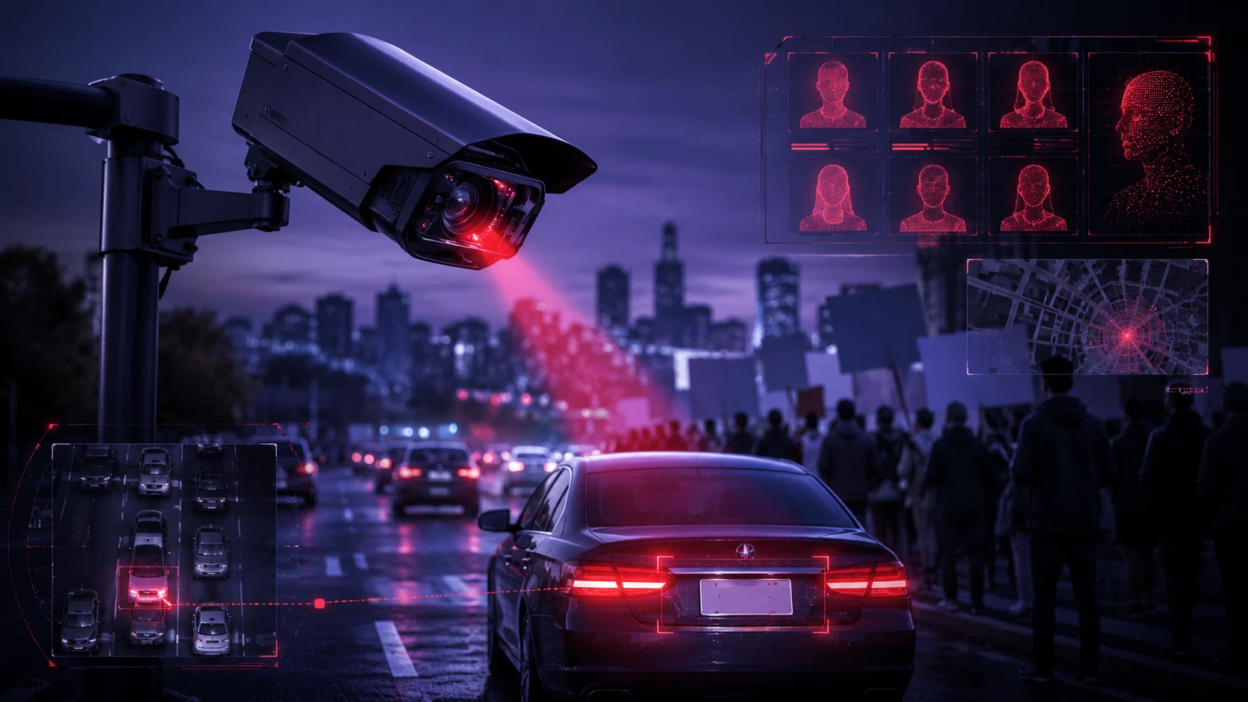
Flock’s cameras are installed along roads and in communities, where they automatically capture license plates and other details about passing vehicles. Artificial intelligence and machine-learning technology can help identify information such as a vehicle’s make, model, color and other visible characteristics. The information can then be searched by authorized users during investigations. Flock now says it has more than 120,000 cameras deployed across the country.
Supporters argue that the technology gives police a faster way to locate stolen vehicles, identify cars connected to crimes and find missing people. Instead of manually checking hours of video, investigators can search vehicle information collected by the system and use it as a lead.
However, critics are increasingly worried about what happens when thousands of cameras are connected through a searchable network. Privacy groups say that even though the cameras focus on vehicles rather than faces, records showing where and when a vehicle was seen can reveal details about a person’s movements when enough information is collected over time. More than 40 civil society groups called on U.S. lawmakers earlier this year to place major restrictions on automatic license-plate readers.
The debate has become more serious after reports of possible misuse by law-enforcement officers. Recent investigations have included allegations that officers used license-plate databases for personal reasons, including attempts to locate current or former partners. In one Ohio case, two officers resigned during an investigation involving alleged misuse of the technology.
Several communities have also reconsidered their relationships with Flock. Lago Vista, Texas, recently voted to end its contract, while Denver previously stopped using Flock’s system. In California, the Los Angeles Police Department paused its use of Flock cameras in July while officials sought stronger rules covering data ownership, privacy, security and information sharing.
Questions about sharing information with other government agencies have added to the concern. Some communities want tighter control over whether locally collected vehicle data can be accessed for purposes such as immigration enforcement. Critics argue that cities may buy the technology for local crime investigations but later discover that information can move through a much larger network.
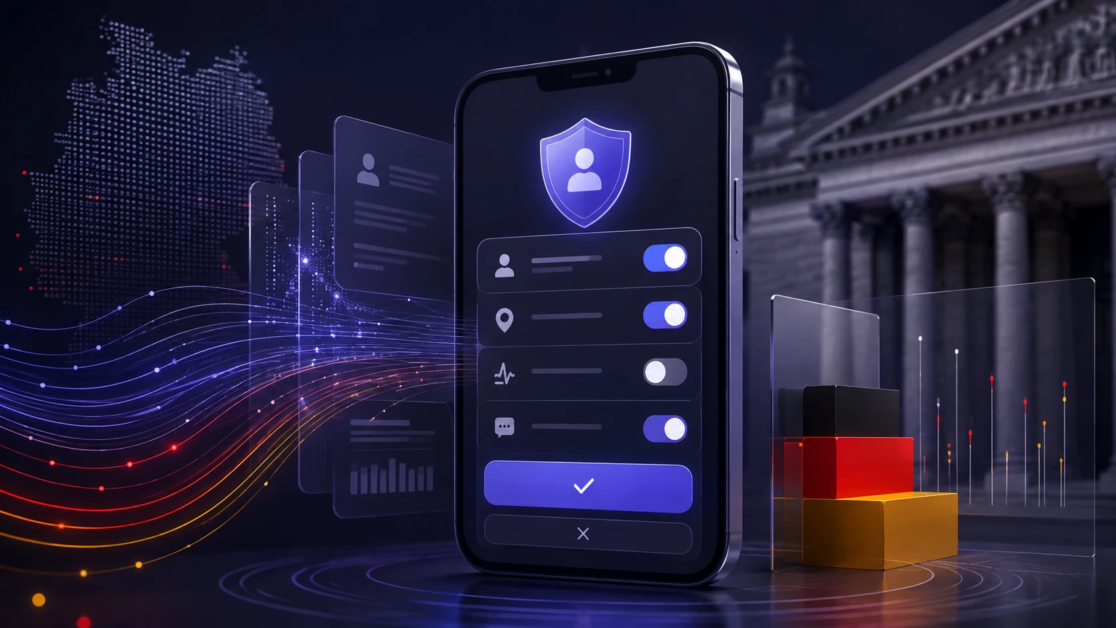
Flock is responding with new privacy and accountability measures. The company has changed its recommended default retention period to seven days and is introducing an “Evidence Mode” that allows selected information connected to active investigations to be preserved for longer. Existing customers can still keep retention periods previously approved by their communities.
The company is also adding controls that let cities decide what kinds of investigations other agencies can use their cameras for. A city could, for example, allow searches involving stolen vehicles, missing people or violent crimes while blocking other categories of searches.
Additional safeguards are being introduced to detect unusual activity by users. Flock says law-enforcement customers will be required to use its abnormal-activity monitoring system by the end of 2026. Suspicious activity could automatically trigger a temporary account lock while an administrator reviews what happened. Case codes will also become required for most law-enforcement searches, with emergency searches receiving additional review.
The controversy shows the difficult balance facing cities as AI-powered surveillance tools become more capable. Police departments see technology such as automatic license-plate readers as useful for investigations, while privacy advocates want stronger limits on how ordinary people can be tracked when they have not been accused of a crime.
For Flock, adding technical safeguards may answer some concerns, but the larger debate is unlikely to disappear. Communities across the U.S. are increasingly asking whether these camera networks provide enough public-safety benefits to justify the amount of vehicle-location information they can collect.