
AdsWynk.com is described online as a platform where users can supposedly earn money by shortening and sharing links. However, its current earning features, official payout rates, and successful withdrawals have not been independently confirmed for this article. This leaves an important question unanswered: does AdsWynk.com really pay users? Before trusting the earning claims, readers should understand how paid link shorteners work, what evidence supports the payment promises, and which warning signs deserve attention. This guide examines those questions and explains how to evaluate the platform without risking unnecessary time, traffic, or personal information.
What is Currently Known About AdsWynk.com?
AdsWynk.com has been described in online articles as a paid URL-shortening service that allows users to earn money from link visits. However, recent third-party assessments have raised questions about whether these earning features are currently available. Some reviews published in 2026 describe the website as a general information blog rather than an active link-monetization platform. These observations create uncertainty about the service’s present operations.
At the time of this review, this article does not establish that users can create monetized links, access a working earnings dashboard, or successfully withdraw money from AdsWynk.com. No independently completed payout test is presented here. That does not prove the website is fraudulent or that it has never paid users. It means its current payment claims should remain unverified until working features, official withdrawal rules, and reliable transaction evidence can be confirmed.
How Paid Link Shorteners Normally Work?
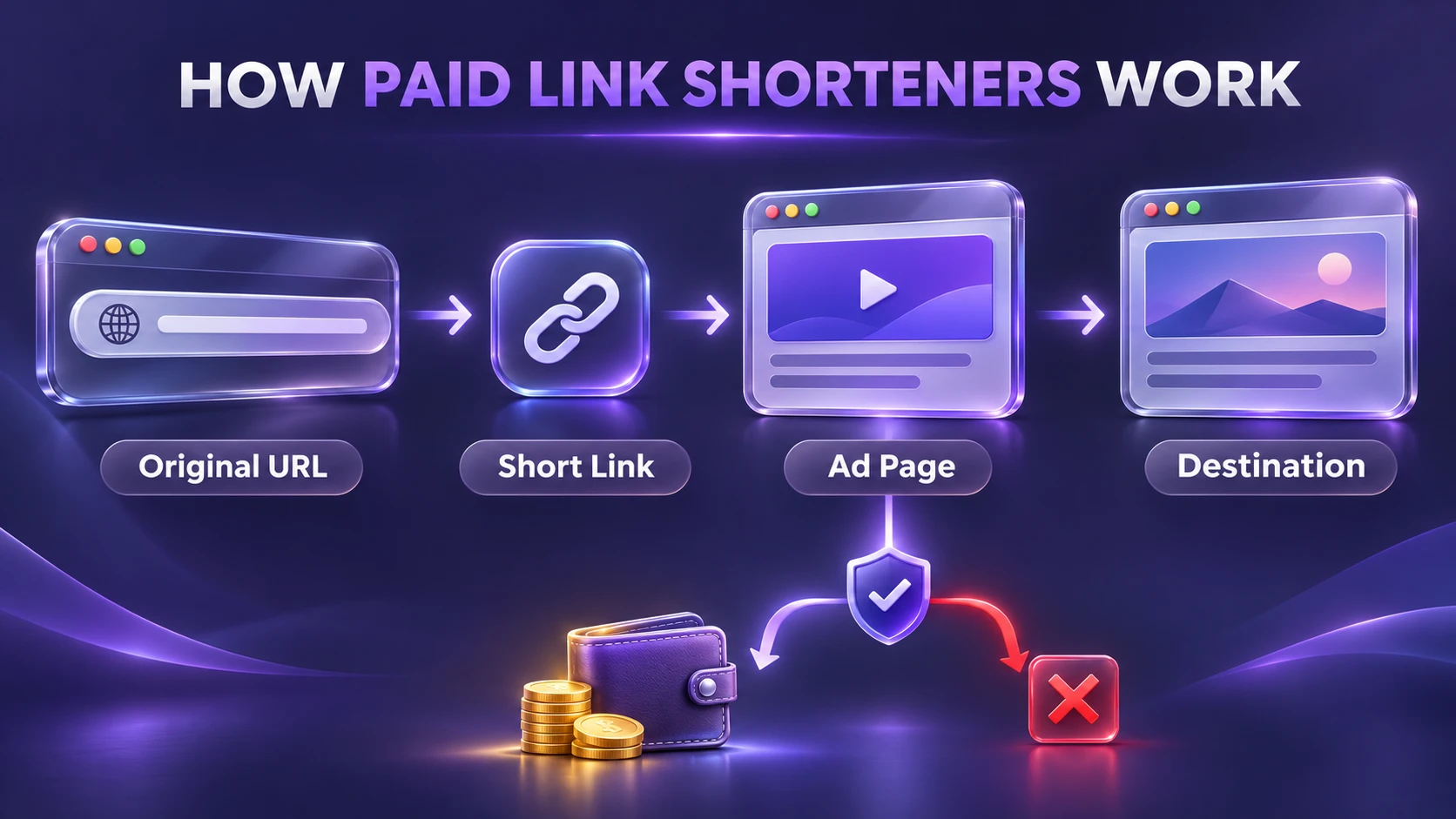
A paid link shortener wraps a destination URL in a shorter redirect link that shows ads, interstitial pages, or a splash screen before forwarding the visitor. The platform then shares a portion of ad revenue with the link owner, typically using a CPM model that pays per 1,000 eligible views. Many services also adjust earnings by visitor country, device type, and ad fill rate.
This business model can be legitimate, but not every visit to a shortened link automatically generates earnings. A platform’s published policies determine which visits qualify, which traffic sources are permitted, and when payments become available. Some services restrict automated clicks, repeated visits, or incentivized traffic. These are common practices within the link-monetization industry, but they should not be mistaken for verified AdsWynk.com policies unless the platform publishes its own rules.
AdsWynk.com Payment Claims: What Can Be Verified?
The biggest challenge with AdsWynk.com is determining which payment-related claims can be supported by current evidence. Descriptions of earning rates, withdrawal methods, and account features should not be accepted simply because they appear in online reviews. Reliable confirmation would require official payment terms, a functioning publisher account, accurate earnings reports, and evidence that eligible users have completed withdrawals. The following checks help readers evaluate those claims before relying on the service.
| AdsWynk.com Claim | Current Evidence Status | What Would Confirm It |
|---|---|---|
| Users can shorten and monetize links | Not independently confirmed in this review | A functioning link-creation tool |
| Users receive CPM-based earnings | Current official rates not confirmed | A published, dated rate schedule |
| Users can withdraw their earnings | Current withdrawal rules not confirmed | Official thresholds and supported payment methods |
| The service consistently pays users | Not established | Credible, recent evidence of completed withdrawals |
| Users can track traffic and income | Working dashboard not verified | Access to a functional reporting interface |
Before considering AdsWynk.com or any similar paid URL shortener, users should examine the following payment-related details:
- Published payout rates: Confirm whether rates are listed clearly by country or tier, and whether the language explains what counts as a payable view.
- Minimum payout threshold: Check how much you must earn before a withdrawal is allowed, and whether the threshold changes by payment method.
- Supported payout methods: Verify whether options such as PayPal, bank transfer, or cryptocurrency are offered and whether your region is eligible.
- Payment schedule: Look for specific payout windows, such as weekly or monthly payments, and whether potential delays are explained.
- Account verification rules: Review any identity verification, email verification, or traffic review processes that could delay withdrawals.
After these basics are clear, the next step is to confirm how the platform defines valid traffic and what triggers earnings adjustments or reversals. Without published rules, it becomes difficult to determine whether reported earnings would qualify for payment.
What Counts As A Valid View?
Many paying URL shorteners use fraud detection because advertisers generally do not want to pay for bot traffic, repeated refreshes, or artificial click activity. Even when a dashboard displays clicks, some visits may later be classified as invalid. This can reduce credited earnings or delay withdrawals. The precise rules vary between services, which makes checking the platform’s official traffic policies essential.
Look for published rules covering prohibited traffic sources, including automated redirects, click exchanges, forced clicks, and misleading promotions. Also verify whether the service restricts adult content, copyrighted downloads, or other potentially problematic destinations. Beyond payment eligibility, publishers should consider the safety of people opening their links. Unexpected redirects, unfamiliar login pages, and requests for sensitive information can create security risks. The FTC guidance on recognizing phishing scams explains how deceptive links and messages can expose users to fraudulent websites.
Link monetization also creates an important responsibility for publishers: protecting the people who open their shared URLs. A suspicious destination may display misleading advertisements, unexpected permission requests, or fake verification screens. TechBonafide’s guide to fake CAPTCHA malware explains how deceptive verification pages can trick visitors into installing harmful software or following unsafe instructions. These risks are worth considering before directing an audience through unfamiliar redirect services.
Payment Terms and Policies Worth Checking
Whether AdsWynk.com pays users should be evaluated through verifiable payment terms and evidence rather than promotional claims alone. Check whether the website provides Terms of Service, a Privacy Policy, an anti-fraud policy, and identifiable operator information. Readers can also use the ICANN Registration Data Lookup to examine publicly available domain registration records. However, registration details may be privacy-protected, and the absence of a public owner’s name does not automatically indicate fraudulent activity. Missing or unclear payment policies should receive particular attention because they can make disputes more difficult to resolve.
The following policy details deserve particular attention:
- Revenue calculation language: Check whether earnings can be changed after review, and whether the company can adjust rates without notice.
- Traffic source restrictions: Confirm what is allowed on social platforms, messaging apps, email, and paid advertising channels.
- Termination and forfeiture clauses: Watch for rules that allow earnings to be canceled broadly without clearly defined reasons.
- Chargeback or advertiser reversal rules: See whether previously credited earnings can be reversed and how disputes are handled.
Clear terms do not guarantee smooth payments, but vague terms make it harder to resolve issues if something goes wrong. Users should also check whether the policies include an effective date and whether important changes are communicated before they affect existing earnings.
How to Evaluate Earnings and Payout Dashboards?
Detailed reporting can make a link-monetization service easier to evaluate, but an earnings dashboard alone does not prove that users receive payments. If AdsWynk.com provides a functioning publisher account, users should examine dated click records, payable view counts, traffic deductions, and available geographic information. A reliable withdrawal system should distinguish between requested, pending, approved, and completed payments. Even when a dashboard marks a transaction as paid, additional evidence of a successful transfer provides stronger confirmation.
Also check whether the platform provides consistent timestamps, transparent deductions, and stable analytics. If numbers change significantly without an explanation, or if reported clicks do not match reasonable traffic patterns, treat the data carefully. Comparing platform reports with independently collected website analytics may help identify discrepancies, although different tracking systems can legitimately produce different totals.
Another important distinction is the difference between estimated earnings and withdrawable funds. Some platforms display preliminary revenue before completing traffic checks or advertiser reconciliation. Users should understand whether reported balances are final, whether deductions can occur later, and whether the platform provides a clear record of adjustments.
Risk Factors That Can Lead to Non-Payment Complaints
Non-payment complaints involving link-monetization services can arise for different reasons, including invalid traffic, changing withdrawal requirements, payment processing restrictions, or unreliable platform operations. Without access to the relevant account records, it is difficult to establish why a particular payment was delayed or rejected. Understanding the common warning signs can help users recognize potential problems before depending on a platform for earnings.
- Unclear ownership and support: Missing company details, inaccessible support channels, or vague contact information can make payment disputes harder to resolve. Users should look for an identifiable operator, reliable contact methods, and consistent website information before creating an account. For additional verification steps, TechBonafide explains how to check whether a tech website is trustworthy before relying on its services.
- Frequent policy changes: Sudden rate drops, new withdrawal thresholds, or unexpected verification requirements can affect payments and make expected earnings less predictable.
- High invalid traffic deductions: Large differences between raw clicks and payable views can reduce earnings, especially when the platform does not clearly explain its filtering process.
- Aggressive fraud flags: Accounts may be held for review when traffic increases suddenly or comes from restricted sources. Users should check whether the service offers a transparent appeals process.
- Payment processor limitations: Some withdrawal methods may be unavailable because of regional restrictions, compliance requirements, or changes involving payment providers.
These warning signs do not automatically prove that a platform is fraudulent or unable to process payments. However, they provide useful reasons to investigate further. Readers can also check an unfamiliar domain using the Google Safe Browsing Site Status tool, which can identify certain known security threats. A clean security result does not confirm that a website operates a legitimate earning program or consistently pays its users.
Paid Link Shortener Verification Checklist
If you are choosing between a paid shortener and other monetization routes, a simple checklist can help prevent guesswork. The goal is to compare reliability, control, and long-term sustainability rather than focusing only on advertised earning rates.
| What to Check | Why It Matters | What Good Looks Like |
|---|---|---|
| Payout Threshold and Schedule | Determines how quickly you can test real withdrawals | Specific payment dates or windows with a clearly stated minimum |
| Valid Traffic Definition | Explains why recorded clicks may not become payable earnings | Clear rules with examples of permitted and prohibited traffic sources |
| Reporting Transparency | Helps users review performance and identify deductions | Dated click reports, valid view counts, and available traffic breakdowns |
| Support and Dispute Handling | Matters when payouts are delayed or accounts are reviewed | Accessible support, documented processes, and clear dispute procedures |
Use this checklist as a starting point before committing meaningful time or traffic to a new platform. If several important details cannot be verified, consider waiting until stronger evidence becomes available.
A platform should also explain how users can close their accounts, remove stored links, and request information about personal data handling. These details may not directly determine whether payments are made, but they help establish how much control users retain over their accounts and information.
Safer Alternatives to Paid Link Shorteners
Shortened-link revenue can be inconsistent because it depends on advertising demand, user patience, and traffic compliance filters. Publishers who want greater control over monetization can consider approaches that do not require visitors to pass through additional advertising pages. These alternatives may also help protect audience trust and reduce unnecessary friction.
- Affiliate tracking links on your own site: Affiliate programs allow publishers to earn commissions from eligible referrals or purchases without requiring visitors to pass through advertising-heavy interstitial pages. Publishers should explain relevant commercial relationships clearly so readers understand when a recommendation may generate income. The FTC guidance on affiliate disclosures provides useful information about transparent endorsements and affiliate marketing practices.
- Content-led monetization: Build useful landing pages, guides, tutorials, or product comparisons that help readers make informed decisions. Relevant content can support conversions without requiring an additional redirect layer.
- Email lists and first-party channels: Developing direct relationships with an audience through newsletters, websites, and owned communication channels reduces reliance on third-party link platforms and sudden policy changes.
Website owners can improve their monetization strategies by measuring real visitor engagement instead of focusing only on shortened-link clicks. Tracking referral sources, conversions, and audience behavior helps identify which content generates meaningful results. For practical measurement techniques, TechBonafide explains how to track internet clicks effectively using analytics tools and campaign tracking methods. This approach can reduce unnecessary redirects while giving publishers greater control over website performance and user experience.
Conclusion
There is not enough verified evidence in this article to conclude that AdsWynk.com currently pays users for shortened links. Its earning features, official payment rates, withdrawal requirements, and recent successful transactions still need independent confirmation. This does not establish that AdsWynk.com is a scam, but it does mean its payment claims should be treated as unverified. Before investing time or sharing traffic, users should confirm that the platform offers working tools, clear payment policies, and a dependable withdrawal process.
When reliability matters more than small CPM differences, consider monetization paths that keep users on trusted pages and give you stronger control over analytics and compliance. A platform with transparent rules, functioning tools, and independently verifiable payment records is a more dependable option than one supported mainly by promotional earning claims.
Frequently Asked Questions
Does AdsWynk.com Pay for Shortened Links Consistently?
Consistent payments from AdsWynk.com have not been independently established in this article. Reliable confirmation would require current official payout terms and credible evidence of completed withdrawals over time. Dashboard earnings, promotional claims, or unverified payment screenshots alone are not sufficient to establish payment reliability.
Why Do Clicks Show in A Dashboard But Earnings are Lower?
Many paid link-shortening platforms record raw clicks before filtering invalid or restricted traffic. Differences between total clicks and payable views can result from automated traffic, repeated visits, unsupported geographic locations, or prohibited referral sources. The exact reasons depend on the platform’s published traffic rules and verification process.
What is the Safest Way to Test A Paying Link Shortener?
First, confirm that the platform offers a working link-shortening tool, published payment rules, and a functioning withdrawal system. If these features are available and you decide to test the service, use only permitted organic traffic and keep records of your links, traffic sources, and dates. Avoid buying clicks or providing sensitive financial information before verifying the platform’s identity and payment requirements.