A Chinese diplomat has warned that European restrictions on advanced semiconductor manufacturing equipment could weaken technology cooperation between China and the European Union. The warning comes as both sides try to improve trade relations while disagreements over sensitive technologies continue.
Qu Xun, China’s minister-counsellor in Madrid, raised the concerns in an interview published by Reuters on November 17, 2026. He said China wants better access to advanced chipmaking equipment from Dutch technology company ASML and warned that restrictions could damage trust between European and Chinese businesses.
According to the Reuters interview, Qu urged the European Union to make independent technology policy decisions rather than follow pressure from other countries. He also suggested that China could reconsider how freely it shares technology if European governments continue restricting access to important manufacturing equipment.
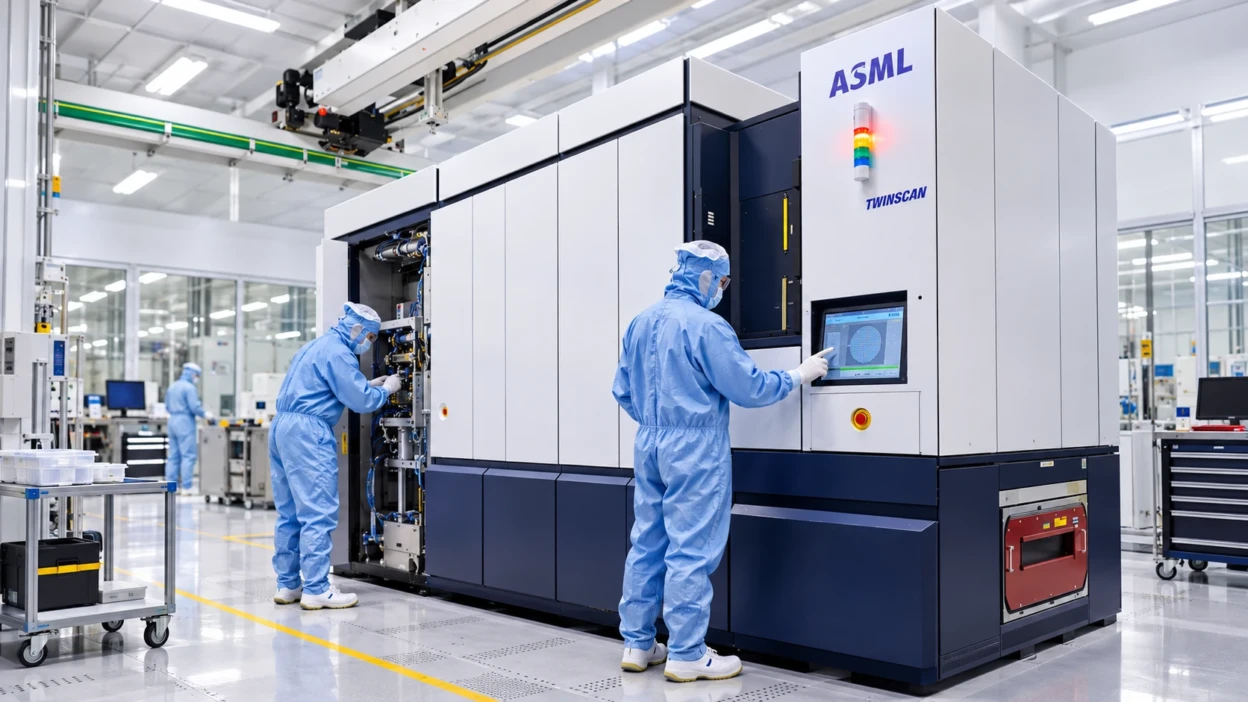
The disagreement mainly concerns machines used to manufacture semiconductors, not finished computer chips. ASML, based in the Netherlands, produces advanced lithography systems that chipmakers use to create patterns on silicon wafers. These machines are important for manufacturing increasingly sophisticated processors used in computing, artificial intelligence and other electronic systems.
The Netherlands has maintained export controls on certain semiconductor manufacturing technologies for several years. National licensing requirements introduced in September 2023 were expanded in September 2024 and again in April 2025. The Dutch government explains that these rules require individual export authorisations for specified equipment sent outside the European Union. They do not amount to a blanket export ban.
The Dutch government says the restrictions address national security risks because advanced semiconductor technology can also support military applications. In a separate September 2024 statement, ASML confirmed that additional deep ultraviolet lithography systems would require Dutch export licences. Extreme ultraviolet lithography systems were already subject to licensing requirements.
China views the restrictions differently. Qu argued that limiting Chinese access to European technology could encourage China to take a similarly cautious approach toward sharing its own technology. His comments were a warning about possible future consequences, not an announcement that China had introduced new technology export restrictions in response.
The dispute also reflects pressure from the United States, which has pushed for tighter restrictions on semiconductor manufacturing equipment supplied to China. Reuters reported that additional American measures affecting equipment manufacturers remain under consideration. No new EU-wide export restriction was announced as part of Qu’s interview.
The warning arrives during a period of wider EU-China trade discussions. Chinese Commerce Minister Wang Wentao and European Commissioner Maroš Šefčovič held consultations in Beijing on October 8 and 9, 2026. According to the joint statement published by China’s Ministry of Commerce, the two sides agreed to continue discussions, with a ministerial video meeting planned for January 2027 and another formal consultation meeting scheduled for March 2027.
For semiconductor manufacturers and technology suppliers, the central concern is whether restrictions will expand and how future decisions could affect equipment sales, technology access and international partnerships. For now, the latest development is a diplomatic warning rather than a confirmed change in export rules. Its practical impact will depend on decisions made by European, Chinese and American policymakers.

Tech Bonafide is the editorial identity of TechBonafide, an independent technology publication covering AI, software, cybersecurity, gadgets, and emerging technology.