
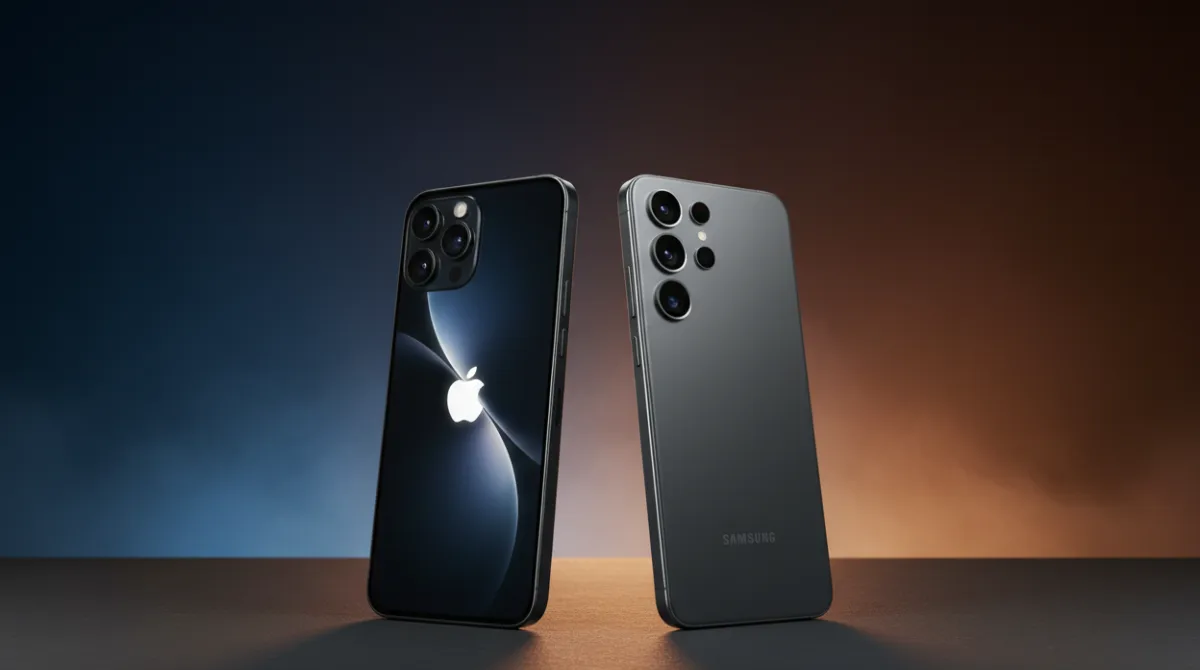
Value in 2026 is less about a single spec and more about what stays useful after the first few months. Apple and Samsung both deliver premium hardware, but they package value differently through pricing strategy, ecosystem strengths and long-term support.
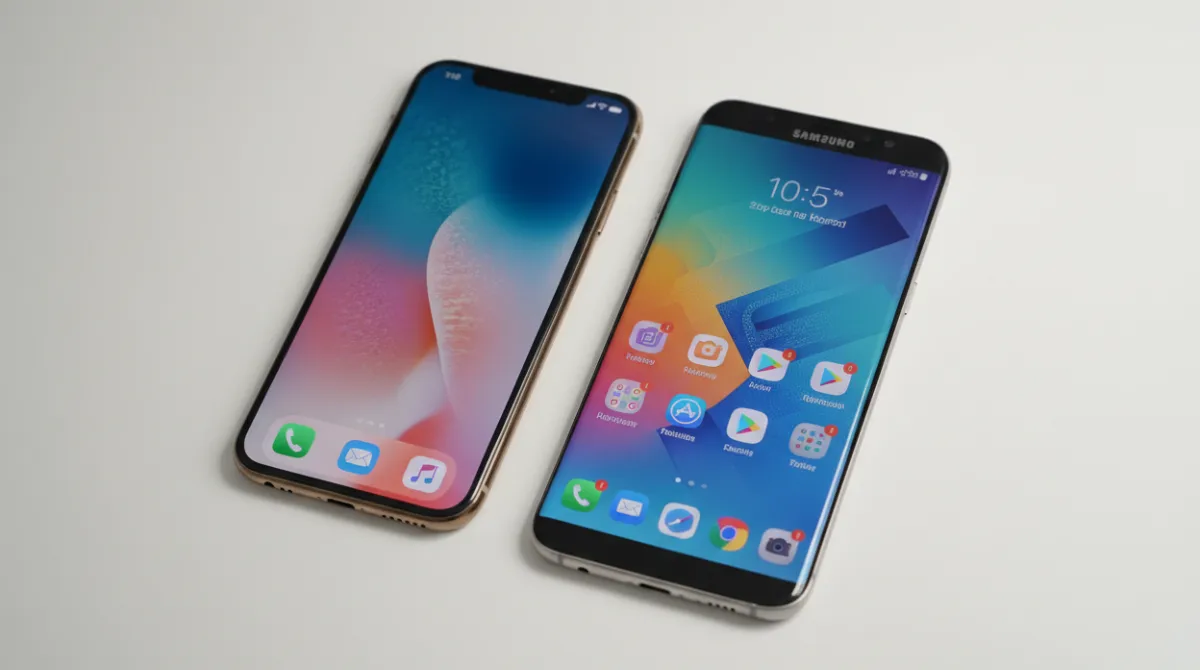
This guide breaks down where each brand tends to deliver stronger everyday value, without assuming one size fits all. The best choice depends on how you use your phone, how often you upgrade and which services you rely on daily.
Apple Vs Samsung In 2026 What Buyers Care About Most?
Most buyers judge value through a mix of upfront cost, reliability and how well a phone holds up over time. Small friction points like account setup, accessory compatibility and repair convenience can matter as much as camera specs.
People also weigh privacy controls, AI features that feel practical and whether a device stays smooth after years of updates. If a phone performs well but becomes costly to maintain, its value drops quickly.
- Total cost of ownership. Price, trade-in value, repairs and subscriptions shape the real cost over several years.
- Longevity. Update support, battery health and durable materials determine whether the phone remains dependable.
- Ecosystem fit. Laptops, tablets, watches, earbuds and smart home devices can amplify the value of the phone you pick.
- Everyday performance. App speed, camera consistency, reception and thermal control matter more than peak benchmark wins.
With those priorities in mind, the comparisons below focus on day-to-day value rather than spec sheet bragging rights.
Price And Overall Value Comparison
Apple typically holds pricing steady across its lineup, with fewer deep discounts until later in the product cycle. Samsung more often uses promotions, trade-in boosts and carrier incentives that can lower the effective purchase price.
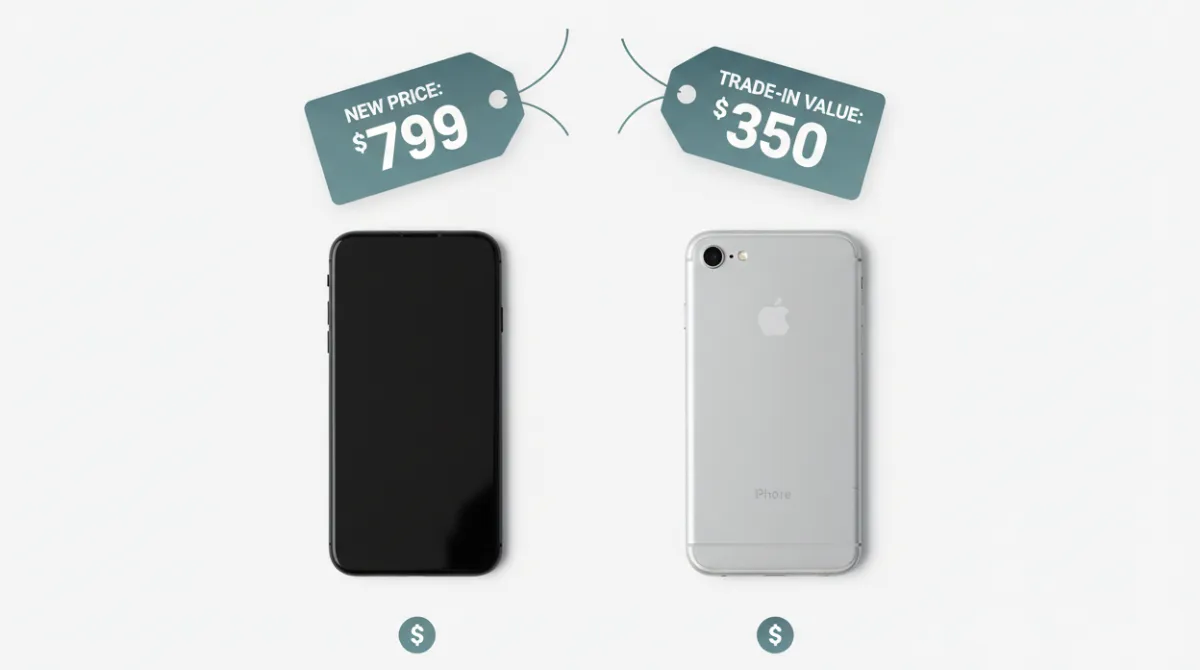
If you buy at launch and keep your phone for years, Apple’s value often comes from strong resale and long update support. If you shop deals or upgrade more frequently, Samsung’s discounts can deliver a lower net cost.
| Value Factor | Apple Strengths | Samsung Strengths |
|---|---|---|
| Upfront pricing | Stable MSRP and predictable lineup tiers | Frequent promos that reduce effective price |
| Trade-in and upgrades | Strong value for recent iPhones through trade-in markets | Aggressive trade-in credits and carrier bundles |
| Resale demand | High demand in used markets, easier private resale | Varies by model, flagships hold value better than midrange |
| Accessories cost | Premium accessory pricing, broad third-party support | Wide price range, strong ecosystem bundles and deals |
This table helps frame value as a system of costs and benefits, not just a checkout price.
Design Build Quality And Durability
Apple prioritizes tight tolerances, consistent materials and long-term feel in the hand. Samsung focuses on variety, offering multiple form factors, including foldables and distinct design languages across price tiers.
Durability depends on more than glass strength. Frame rigidity, hinge engineering in foldables and long-term button and port wear influence how well a phone survives daily use.
- Material consistency. Apple tends to keep a uniform premium feel across core models, while Samsung ranges from very premium to more utilitarian finishes.
- Repair and parts. Repair programs and authorized service availability affect downtime and long-term cost.
- Water and dust resistance. Both brands emphasize protection in higher tiers, but the practical outcome is about sealing quality over years.
- Foldable durability. Samsung’s experience with hinges and screen layers is a key factor if you want a foldable form factor.
Design value is about what still feels solid after a year of pockets, drops, heat and charging cycles.
Camera Performance For Everyday Users
Everyday camera value comes from consistency, speed and predictable results across lighting conditions. Apple often aims for natural color and stable video, while Samsung frequently offers punchier contrast and more shooting flexibility.
Lens choice also impacts daily results. Telephoto reach, ultra-wide clarity and portrait edge handling can matter more than headline megapixels.
- Point-and-shoot reliability. Apple’s processing often favors consistent skin tones and quick capture with minimal tweaking.
- Zoom versatility. Samsung’s higher-tier models tend to emphasize longer zoom options and detail at distance.
- Video stabilization. Apple commonly leads in effortless, stable video with accurate exposure shifts.
- Low light behavior. Both are strong, but the look differs, with Apple typically aiming for realistic lighting and Samsung often brightening shadows more.
For most people, the better value is the camera that produces dependable photos without repeated retakes.
Battery Life And Charging Experience
Battery value is about endurance, charging speed and how quickly capacity declines over time. Apple often delivers efficient standby and smooth battery management, while Samsung frequently pushes faster charging options depending on model.
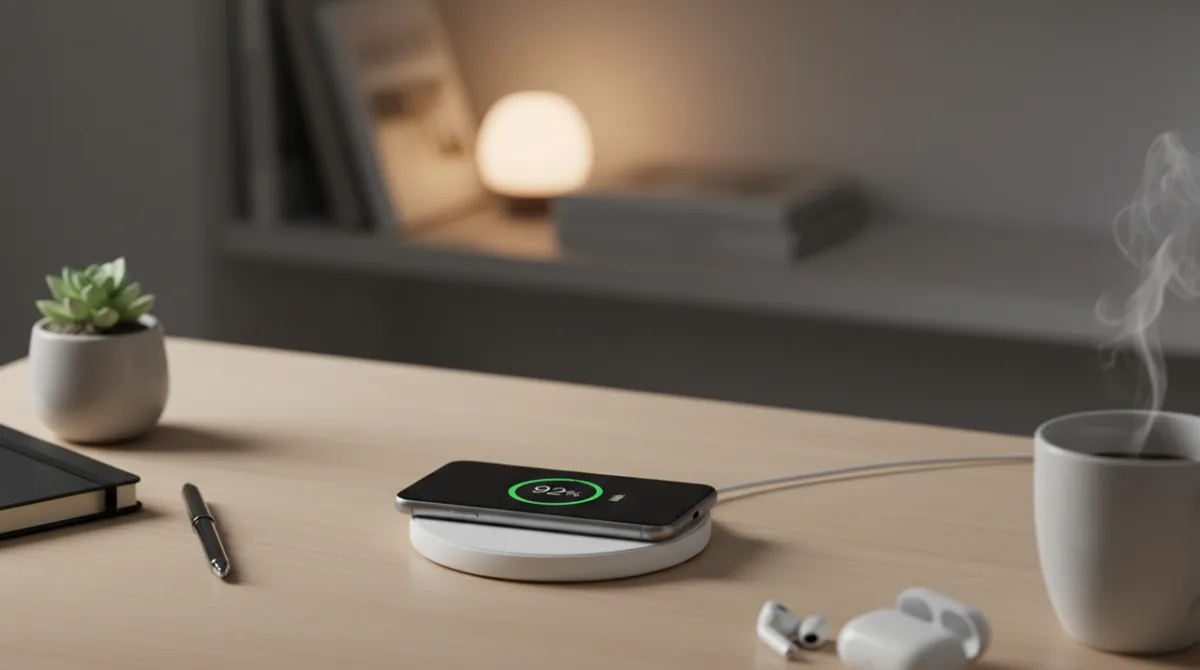
Charging experience also includes heat control and accessory compatibility. A phone that charges fast but runs hot can feel less reliable in daily routines.
- All-day consistency. Apple’s power management can feel predictable across mixed use, especially with tight hardware-software integration.
- Charging speed flexibility. Samsung’s lineup often supports a broader range of fast charging configurations and accessories.
- Wireless charging convenience. Both support wireless charging in many tiers, but alignment, case choice and charger selection influence real results.
- Battery health over time. Battery aging varies by usage, heat exposure and charge habits more than brand alone.
If you travel often or rely on quick top-ups, the charging ecosystem can tilt overall value more than raw battery size.
Software AI Features And Ecosystem Benefits
Software value shows up in how quickly you get updates, how cohesive your devices feel together and whether AI tools reduce friction. Apple leans into tight integration across iPhone, iPad, Mac, Watch and services, with a consistent interface and long support windows.
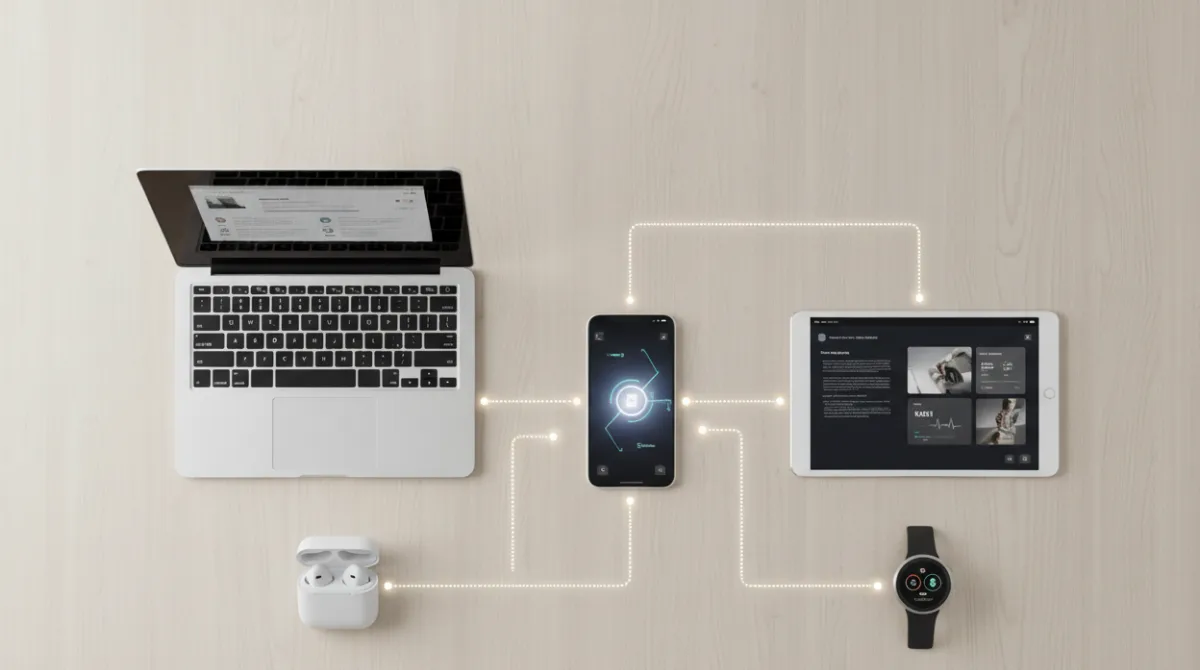
Samsung pairs Android flexibility with its own features, deep customization and strong integration with Galaxy tablets, Windows workflows and wearable options. AI value depends on whether features run smoothly, respect privacy settings and remain available for the life of the device.
- Update cadence. Apple typically delivers updates broadly at once, while Samsung’s rollout can vary by model tier and carrier.
- Customization. Samsung offers more control over layout, defaults, multitasking and display behavior.
- Cross-device workflows. Apple excels at continuity features across its devices, while Samsung offers strong options with Galaxy and Windows integration.
- Privacy and permissions. Both provide controls, but Apple’s approach is often more uniform across the system.
Ecosystem benefits create value when you already own compatible devices and want fewer seams between them.
Which Brand Is Better For Gaming And Performance?
Performance value is about sustained speed, stability and responsiveness, not just peak benchmarks. Apple’s chips often deliver excellent single-core performance and long-term smoothness in demanding apps, especially when developers optimize for iOS.
Samsung’s performance varies more by model, with top-tier devices competing strongly and midrange phones focusing on efficiency and cost. Gaming value can also depend on display quality, touch response, cooling design and how well the phone avoids throttling during longer sessions.
- Sustained performance. Better thermal management often feels more valuable than higher peak power.
- Display and refresh rate. Samsung frequently leads on panel options and brightness, which can help gaming and outdoor use.
- Developer optimization. iOS often benefits from predictable hardware targets, while Android performance can depend on device-specific tuning.
- Accessory support. Controller compatibility, audio latency and screen mirroring options can influence the overall gaming experience.
If gaming is a priority, the best value usually comes from choosing a top-tier model with strong cooling and a high-quality display.
Long Term Value Resale And Update Support
Long-term value is where Apple often makes its strongest case. iPhones tend to keep demand in the used market and long update support can extend the usable life for security, app compatibility and new features.
Samsung has made major strides in software support across more of its lineup and its premium devices can offer excellent long-term use. Resale value can be less predictable, though deep discounts at purchase can offset that depending on when and how you buy.
- Resale predictability. Apple devices often have steadier secondhand pricing, which helps if you trade or sell regularly.
- Security lifespan. Longer security support reduces risk and helps the phone stay compatible with modern apps and services.
- Repair economics. Screen replacement cost, battery service availability and parts pricing can change the real long-term cost.
- Ecosystem stickiness. The more devices you connect, the more expensive it can feel to switch brands later.
Long-term value improves when the device remains secure, easy to service and desirable in resale markets.
Conclusion
Apple tends to offer better value when you want predictable longevity, strong resale and a tightly integrated ecosystem that stays consistent for years. Samsung tends to offer better value when you want more choice in hardware, stronger deal pricing and flexibility in how you set up your phone.
The best value in 2026 comes from matching the brand to your upgrade cycle and the devices you already use daily. Choose the option that reduces friction and long-term cost for your specific habits, not the one with the loudest spec highlights.