

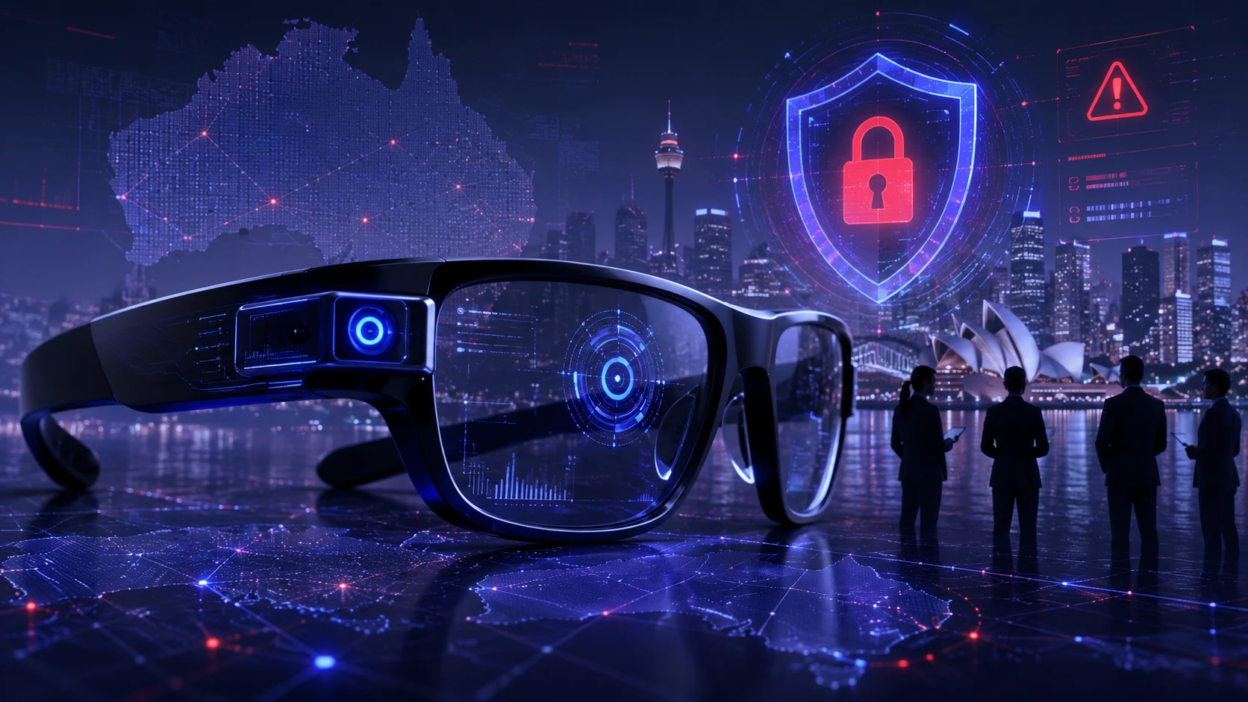
Australia is increasing its scrutiny of AI-powered and camera-equipped smartglasses as concerns grow about privacy, secret recording, surveillance, and possible misuse of the technology.
The Australian government has asked the country’s Privacy Commissioner to give the issue priority attention as smartglasses become easier and cheaper for consumers to buy.
Smartglasses can look similar to normal eyewear but may include cameras, microphones, speakers, internet connections, and artificial intelligence features. Some models allow users to take photos, record videos, make calls, listen to audio, or interact with an AI assistant without using a smartphone.
While these features can make smartglasses useful, they are also creating new privacy concerns.
One of the biggest issues is that people may not always realize when someone wearing smartglasses is recording them. Unlike a person openly holding up a smartphone camera, smartglasses can capture images or video much more discreetly.
Australian officials are particularly concerned about how this technology could affect women and children. Smartglasses could potentially be misused for inappropriate recording, harassment, surveillance, or other harmful activities.
The concern is becoming more important as smartglasses move from expensive experimental gadgets into more affordable consumer products.
Camera-equipped glasses are now available from several technology and retail brands, while major companies are also investing heavily in AI wearables. As competition increases, smartglasses are expected to become more capable and more common.
Artificial intelligence could make these devices even more powerful.
Future smartglasses may be able to analyze objects, recognize surroundings, provide live information, translate conversations, answer questions, and assist users through voice commands. These capabilities could make wearable technology more useful for work, travel, accessibility, and everyday tasks.
However, more advanced AI features can also create questions about what information the glasses collect, where that information is stored, and how companies use personal data.
For example, a smartglass camera could capture faces, locations, conversations, or other personal information from people who never agreed to be recorded. If this information is processed using AI or uploaded to cloud services, privacy risks could become even more complicated.
Australia’s privacy authorities are expected to examine emerging risks around the technology and consider what protections may be needed.
The government has said existing privacy protections must continue to work as new technologies become part of everyday life. Australia is also continuing broader work on privacy reforms designed to make its laws more suitable for the digital age.
Technology companies could face growing pressure to make recording features more obvious and give people greater control over how information is collected.
Some smartglasses already use lights or other indicators to show when their cameras are recording. However, privacy advocates have questioned whether these signals are always noticeable enough for people nearby.
There are also concerns about using smartglasses in sensitive places such as schools, workplaces, changing areas, beaches, medical environments, and private events.
At the same time, regulators will need to balance privacy concerns with the benefits of the technology.
Smartglasses can provide valuable accessibility features for people with disabilities. AI-powered visual assistance, voice controls, navigation tools, and object recognition could help users complete everyday tasks more independently.
This means the debate is unlikely to be about completely stopping smartglasses. Instead, the main challenge will be creating rules that allow useful innovation while protecting people from unwanted recording and misuse of their personal information.
Australia’s latest action shows that governments are paying closer attention as AI moves beyond computers and smartphones and becomes part of devices people can wear throughout the day.
As AI smartglasses become more affordable and powerful, questions around consent, surveillance, data collection, and personal privacy are likely to become an increasingly important part of the global technology debate.