

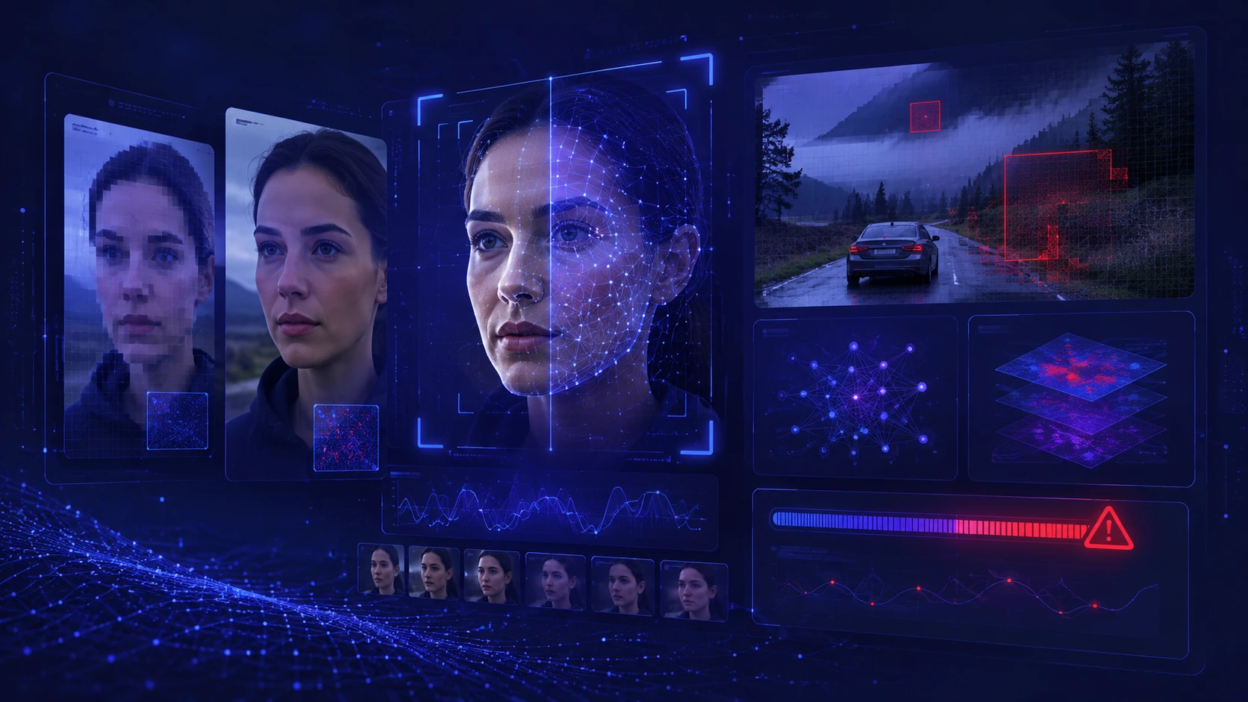
Google DeepMind’s experimental AI tool called Backstory is helping journalists, fact-checkers and researchers investigate suspicious images and identify possible deepfakes or digital manipulation.
The tool is designed to do more than simply tell users whether an image may have been created with artificial intelligence. It also looks at where an image appeared online, whether it has been changed, and how it may have been used in different contexts over time.
Users can upload an image to Backstory and ask a question about it. The system then performs several checks and creates an easy-to-read report explaining what it found. This can include signs that an image was generated by AI, evidence of editing, previous appearances of the picture online and information about its possible origin.
Backstory is built using Google’s Gemini AI technology. It can automatically choose different verification methods depending on the image being investigated. This helps bring several tasks that normally require separate tools into one system.
The tool can also check for Google’s SynthID watermark, which can help identify content created using supported Google AI systems. It can examine Content Credentials as well, which may contain information about how an image was created or edited.
One of Backstory’s most useful features is its ability to trace the history of an image. A photograph does not need to be AI-generated to become misleading. A genuine image can be edited, reused years later or shared with a false description. By finding earlier versions and appearances of an image, Backstory can help users understand its original context.
This could be especially useful as realistic AI-generated images and deepfakes become harder to identify with the human eye. Journalists and fact-checkers often need to use reverse image searches, AI detectors and other verification tools separately. Backstory aims to combine much of this work into a faster process.
However, the technology is not a perfect deepfake detector. AI systems can make mistakes, and Backstory may sometimes confuse similar-looking images or miss content that has not been indexed by search engines. Information shared only through private messaging platforms or closed online groups may also be difficult for the tool to trace.
For this reason, Backstory is currently better suited as a starting point for investigations rather than a final decision on whether an image is real or fake. Important findings still need to be checked independently.
Backstory is currently being tested by thousands of journalists, researchers, open-source intelligence experts, librarians and other information professionals through Google’s Trusted Testers Program. Google DeepMind is collecting feedback to improve the technology, while wider public availability could come in the future.
As AI-generated content continues to spread across the internet, tools such as Backstory could become increasingly important. Instead of focusing only on whether an image was made by AI, the technology takes a wider approach by examining where the image came from, how it changed and how it has been presented online.