

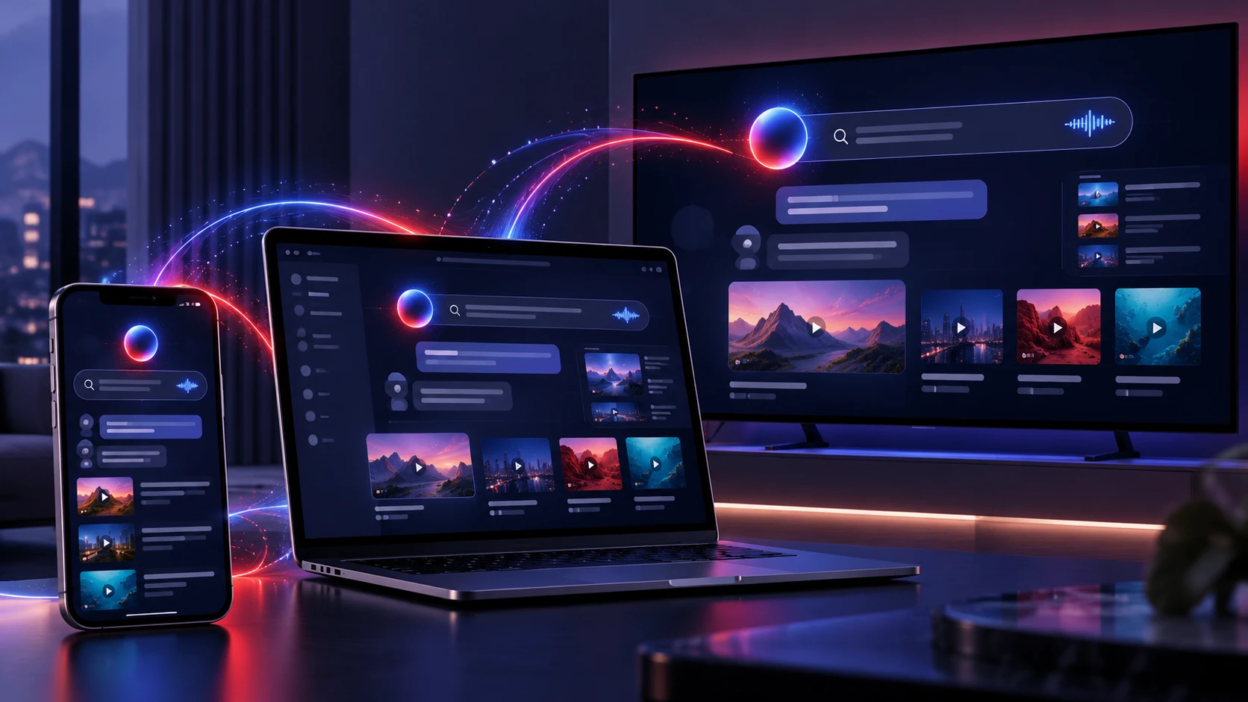
YouTube announced on October 12, 2026, that it is expanding its AI-powered conversational search feature, Ask YouTube, to mobile devices in the United States. The update brings the search experience to eligible viewers across computers, mobile devices, and supported TVs.
Ask YouTube lets users search for videos through everyday questions instead of relying only on short keywords. The AI tool can provide video recommendations, useful clips, written explanations, and follow-up suggestions to help viewers explore topics.
With traditional YouTube search, viewers type keywords and choose from a list of results. Ask YouTube offers a different experience by letting people enter longer, more detailed questions. On supported devices, users can select the Ask YouTube option in search and describe what they want to find.
For example, someone planning a road trip could ask for a three-day travel plan with a limited budget. Ask YouTube can suggest relevant videos and provide information related to the request. Users can then ask follow-up questions to narrow their results without starting a completely new search.
Ask YouTube uses information from YouTube content and the web to respond to questions. Its results can combine regular videos, YouTube Shorts, short text explanations, and relevant video clips in an interactive layout.
Some results include clips that begin near the part of a video most relevant to the question. Viewers can also see the video title and creator’s channel, helping them decide whether to watch the full content.
Ask YouTube’s conversational search experience was first announced at Google I/O on May 19, 2026. It initially became available as an experimental feature for eligible YouTube Premium members in the United States before expanding to more desktop users in July.
YouTube brought conversational search to supported TV devices in the United States in August 2026. Viewers can use their remote’s microphone to ask questions, explore video recommendations, and refine their searches with follow-up questions.
The October 12 update extends the search experience to mobile devices. With this expansion, eligible users can access Ask YouTube across computers, smartphones, and supported TVs.
YouTube is also expanding a separate Ask YouTube feature that works while viewers are watching videos. Instead of searching the entire video platform, this tool allows users to ask questions about the specific video they are watching.
For example, someone watching an educational video could ask for an explanation of a difficult topic or request related content without leaving the watch page.
YouTube plans to extend this viewing experience to Shorts and live streams. Once introduced, viewers will be able to ask questions and receive additional context while watching those formats. The company has not announced a specific release date for this expansion.
For content creators, Ask YouTube provides another possible way for people to discover videos. When a video appears in an AI-generated response, viewers can see its title and channel information before choosing whether to watch it.
Videos that clearly answer viewers’ questions may benefit from this new discovery method. However, YouTube has not guaranteed that creators will receive more views or higher earnings simply because Ask YouTube is available.
Ask YouTube’s conversational search is currently available to eligible signed-in users in the United States who search in English. Availability is expanding across supported computers, mobile devices, and TVs, although some users may not see the feature immediately.
The tool is not available to supervised children’s accounts or through the YouTube Kids app. It is also not supported on Apple TV devices. YouTube has not announced a confirmed worldwide release date for the search experience.
Ask YouTube works alongside YouTube’s existing search system rather than replacing it. Users can continue searching with ordinary keywords or switch to conversational search when they want more detailed recommendations.
Like other AI-powered tools, Ask YouTube may sometimes provide incomplete or incorrect information. Viewers should check important details before relying on an AI-generated response, especially when researching medical, legal, or financial matters.
The expansion reflects Google’s wider efforts to add AI-powered features across its services. For YouTube, conversational search offers a new way to connect viewers with useful videos and creators.
With mobile access now joining desktop and supported TVs in the United States, the next developments to watch include broader availability and the planned addition of in-video AI assistance for Shorts and live streams.