Searching for “Xendit Work GamificationSummit” may lead you to articles describing a workplace gamification program, business conference, or employee engagement initiative connected with Xendit. However, as of October 16, 2026, the company’s publicly available events and newsroom pages do not establish an official event with this exact name.
Xendit is a financial technology company that provides payment infrastructure for businesses. Although the company organizes and participates in business events, the specific “Work GamificationSummit” name remains unverified through the official sources reviewed. This guide explains what the search term might mean, how to check event claims, and how to recognize potentially misleading registration pages.
Why This Search Term Causes Confusion?
“Work GamificationSummit” reads like an event name, but it is also the kind of phrase that can come from internal campaign titles, slide decks, or hashtags. When those fragments get indexed, they can appear as if they are part of a formal conference brand.
Another source of confusion is the inconsistent spelling and capitalization of the phrase. Variations such as “GamificationSummit,” “Gamification Summit,” and “Xendit Gamification Summit Work” may appear in different search results. These variations alone cannot establish whether the phrase refers to a registered event, an internal workplace initiative, or a general online topic. Readers should compare each claim with official organizer announcements before assuming that the names describe the same program.
What Would Count As An Official Event?
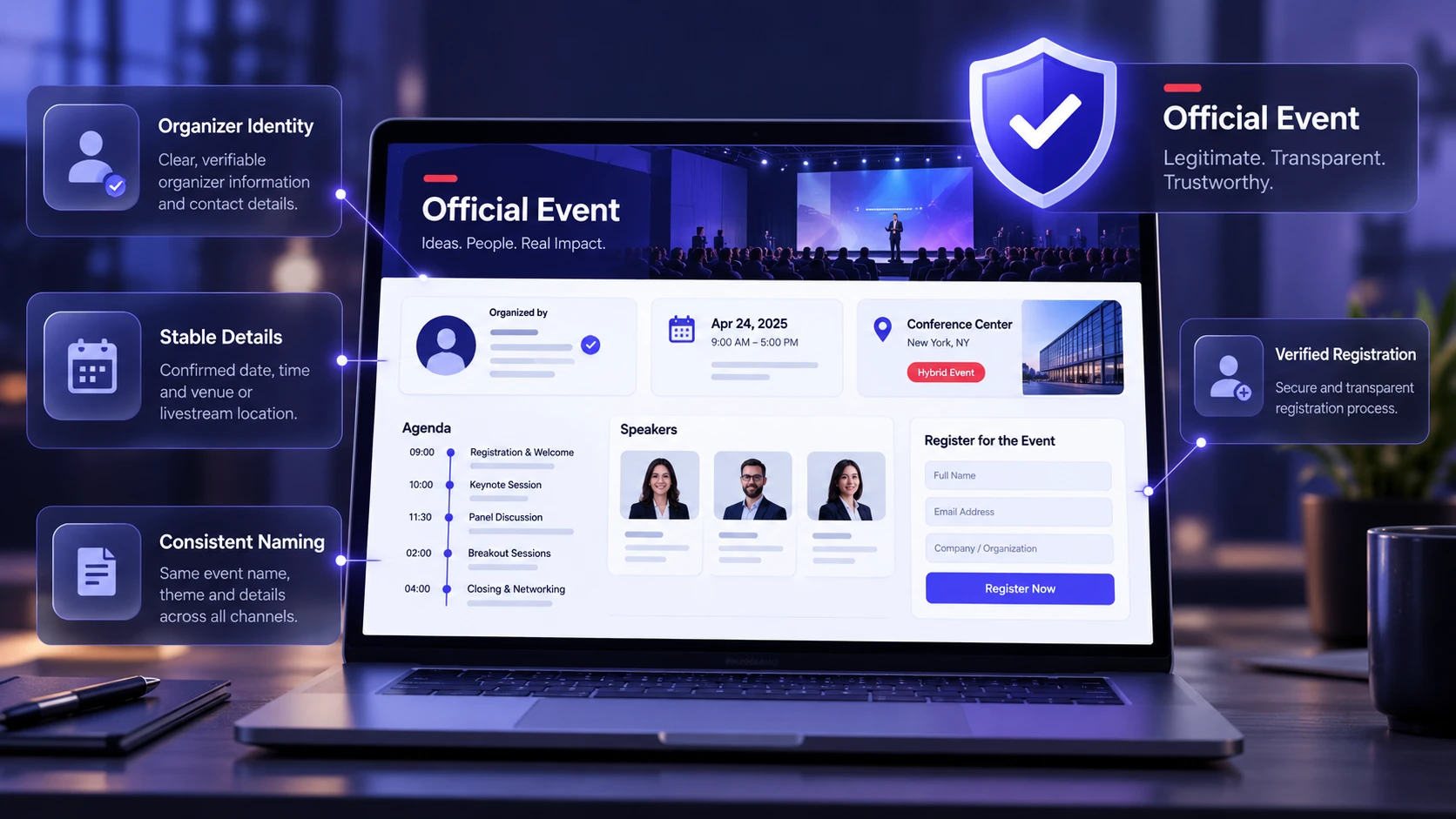
An official event typically has clear ownership, consistent naming, and stable details. It is normally hosted on a primary domain or on a recognized event platform under the organizer’s verified account.
If the organizer is a company, official event pages usually include a formal description, agenda, speakers, location or streaming details, and a registration process. They also tend to have consistent branding across multiple channels.
- Clear organizer identity: The page states who is running the event and how to contact them.
- Consistent event naming: The same event name appears across announcements, registration, and confirmation emails.
- Verifiable registration flow: Registration pages have transparent fields, policies, and confirmation steps.
- Stable event details: Date, time zone, and venue or stream location are not vague or constantly changing.
These indicators do not guarantee legitimacy, but they raise confidence compared to thin pages that only repeat keywords.
How to Verify Whether Xendit is Behind the Event?
Verification is mostly about cross checking. Look for multiple, consistent signals that point to the same organizer and the same event identity.
Start by reviewing Xendit’s official events listings, newsroom announcements, and corporate communications. A publicly advertised event may appear on one or more of these channels, although private employee activities and invitation-only programs may not have public listings. Therefore, the absence of an event announcement should be treated as a lack of public confirmation rather than definitive proof that the activity never occurred.
- Check the primary domain: Start with the official Xendit events page to review publicly listed company events and webinars. Compare the event title, organizer details, and available registration information with the claim you are investigating. If the event is not listed, continue checking other official sources before drawing a conclusion.
- Confirm official announcements: Review the Xendit newsroom for relevant company announcements and compare them with posts from Xendit’s official corporate social media channels. Look for consistent event names, dates, organizer details, and registration destinations. Do not rely on a third-party post merely because it includes company branding.
- Validate speaker and partner mentions: Speakers and partners usually share consistent information that matches the official page.
- Review registration confirmations: Check whether the confirmation message matches the organizer, event name, date, and registration details. Examine the sender’s actual email address and verify unexpected links independently. A professional-looking email or familiar domain name alone does not guarantee that a message is authentic.
- Compare naming variations: Check whether “Work GamificationSummit” is a tagline, a theme, or an internal label rather than the event name.
If an unfamiliar website claims to represent the event, examine its domain carefully before using its registration form. The ICANN Registration Data Lookup can provide available domain registration information, including registrar details and registration dates. However, domain records may be incomplete or privacy-protected, and they cannot independently prove that a website is officially associated with Xendit.
If several of these checks fail, treat the search term as an unverified label until you find a primary source page.
Common Meanings Behind the Keyword
Search terms like this often map to a few patterns. Understanding these patterns helps you interpret ambiguous SERP results without jumping to conclusions.
- Internal initiative name: A company program or HR engagement campaign that is not a public conference.
- Conference theme: A theme used within a broader event, such as a product summit or a culture week.
- Community meetup label: A partner or community group uses a brand term in a meetup title, creating confusion about ownership.
- Search artifact: A combined string created by tracking tags, UI labels, or scraped metadata.
These interpretations are possibilities, not confirmed explanations of Xendit’s activities. Before assigning the phrase to an internal program, conference, community meetup, or technical label, look for a matching primary source. If no reliable documentation exists, describe the term as an unverified search phrase rather than an established company initiative.
Red Flags That Suggest the Event is Not Official
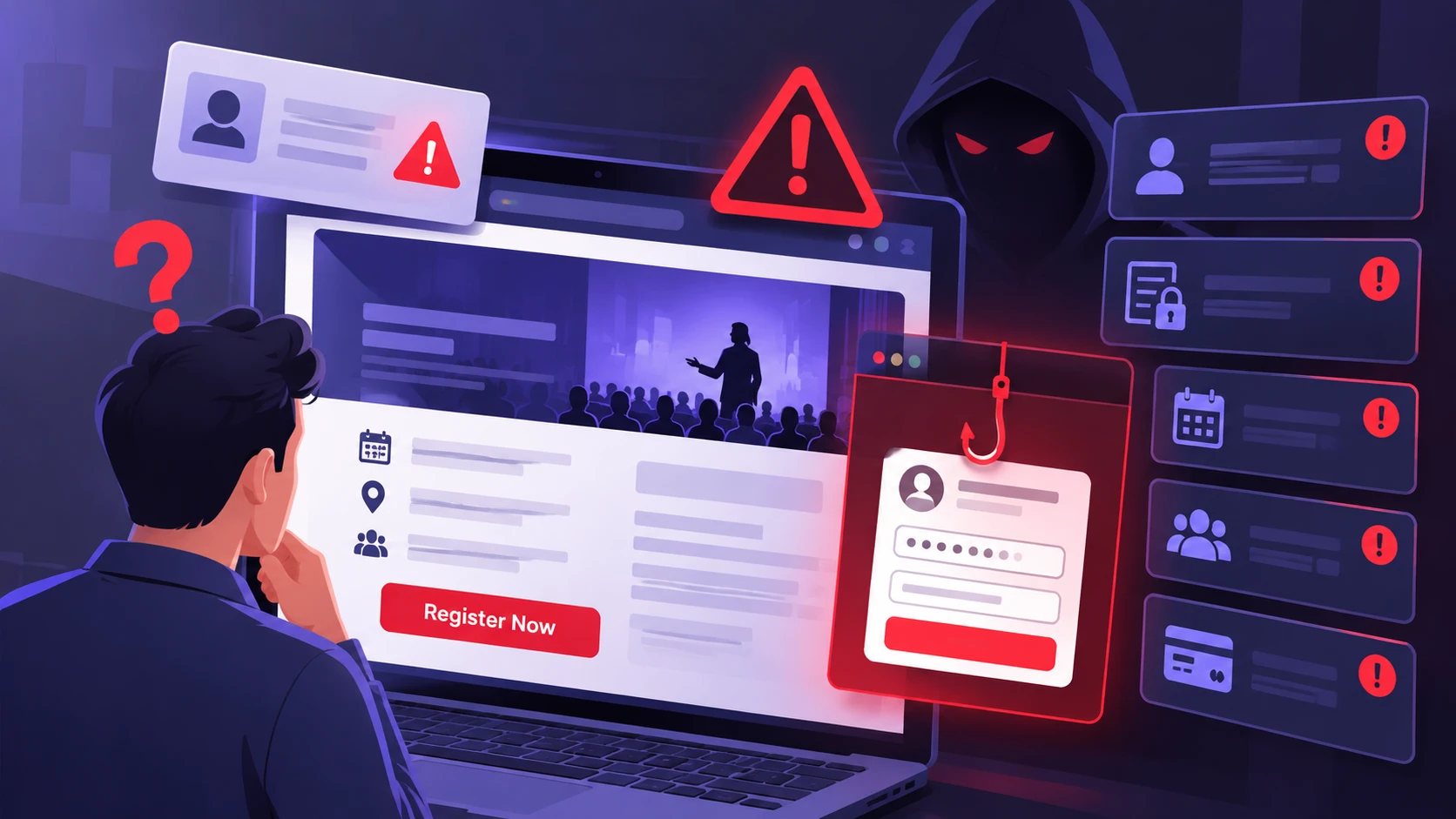
Some pages look credible but are not actually associated with the brand. Others are harmless blog posts that accidentally rank for the term without offering any event proof.
Use a cautious filter when reviewing unfamiliar event websites or registration links. The U.S. Federal Trade Commission provides guidance on recognizing and avoiding phishing scams, including warning signs such as impersonation, unexpected requests for personal information, and suspicious messages designed to make people click unfamiliar links.
- Missing organizer details: No legal entity, contact, or verifiable ownership is stated.
- Unclear registration handling: The page asks for sensitive data without explaining how it will be used.
- Inconsistent naming: The title changes across pages, or it alternates between multiple similar event names.
- Thin event specifics: No agenda, no speakers, no venue, and no clear time zone.
- Misleading brand usage: Logos and brand terms appear without any confirming link back to a controlled domain.
Be cautious if an event registration page unexpectedly asks you to authorize a third-party application through your Google or Microsoft account. Even when the sign-in screen is legitimate, the connected application may request access that is unnecessary for event registration. Our guide to OAuth phishing explains why users should inspect application identity and requested permissions before approving access.
When several warning signs appear together, avoid registering, making payments, or sharing sensitive information until the event organizer can be independently verified. These signs may indicate an unreliable listing, misleading content, or a possible scam, but they do not automatically prove that every mention of the event is fraudulent.
Quick Evaluation Table for Search Results
This table helps you triage what you see on the results page and decide which links deserve deeper review.
| Verification Signal | What to Check | Recommended Action |
|---|---|---|
| Official Organizer | Matching announcement on an organizer-controlled website | Use it as primary evidence of the event |
| Event Name | Consistent title across official announcements and registration pages | Investigate unexplained naming differences |
| Registration Website | Organizer-approved URL, privacy information, and transparent registration steps | Avoid entering personal information until verified |
| Event Details | Date, location, agenda, speakers, and contact information | Request clarification if important details are missing |
| Independent Confirmation | Speaker, partner, or venue information matching official records | Cross-check before accepting secondary claims |
| Payment Requests | Clearly identified organizer, payment purpose, and authorized payment provider | Do not pay through unexpected or unverified links |
Use the table as a checklist rather than a verdict. One strong signal can still be outweighed by missing organizer proof.
If an event registration website requires you to sign in, confirm that the login belongs to the intended service before entering account credentials. Avoid reusing passwords on unfamiliar websites, and use phishing-resistant authentication when available. For more information about authentication security, read TechBonafide’s comparison of passkeys versus passwords, which explains how passkeys help reduce common credential-phishing risks.
What to Do If You Need the Event for Work Reasons
If your goal is compliance, procurement, or internal coordination, you need certainty, not speculation. That means documenting sources and confirming ownership before you share the event internally.
Keep your verification lightweight but structured so teams do not circulate inaccurate event claims.
- Capture the primary source: Save the URL and a screenshot of the official page that shows organizer and registration details.
- Confirm via official contact routes: If the event’s organizer or ownership remains unclear, consult the official Xendit contact page to identify appropriate company contact channels. Ask whether the event name, registration website, or invitation is associated with Xendit. Avoid relying on phone numbers or email addresses provided only by an unverified third-party website.
- Share a single reference link internally: Avoid pasting multiple unverified links that can fragment decision making.
This reduces the risk of miscommunication and makes approvals faster.
Event invitations and tickets may also include QR codes that direct users to registration, payment, or check-in pages. Before scanning an unfamiliar code or entering personal information, verify that it leads to a trusted destination. TechBonafide’s guide to QR code phishing explains how malicious QR codes can redirect users to fake websites and how to recognize suspicious links.
How to Document and Share Verified Event Information?
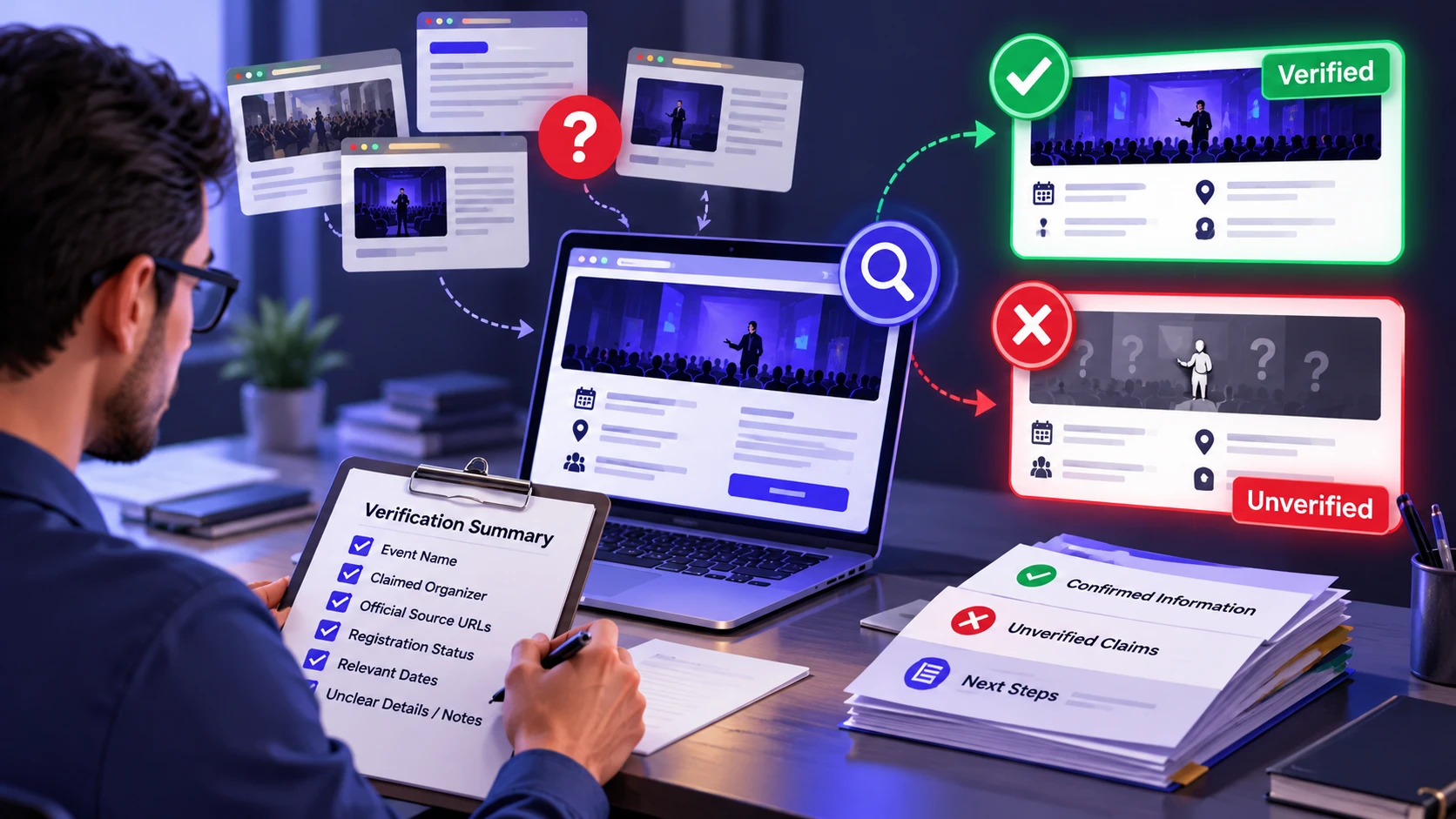
When event information comes from several conflicting sources, documenting the verification process helps prevent inaccurate claims from spreading. Teams should separate confirmed details from unverified statements before sharing event information with colleagues, customers, or business partners.
A short verification summary can include the event name, claimed organizer, official source URLs, registration status, relevant dates, and any details that remain unclear. If a third-party website describes a conference or workplace program without supporting documentation, record the claim as unverified rather than presenting it as established fact.
This approach is particularly useful for organizations reviewing conference participation, employee training programs, event registration platforms, or payment arrangements involving external providers.
Conclusion
As of October 16, 2026, the official Xendit sources reviewed do not establish “Xendit Work GamificationSummit” as a confirmed public event name. Although third-party websites discuss the phrase in connection with workplace gamification and business events, those descriptions should not be treated as official confirmation without supporting evidence.
Readers should check Xendit’s official event listings, compare organizer details, and verify registration websites before sharing personal information or making payments. If no reliable primary source is available, the most accurate approach is to describe the event as unverified. This helps individuals and organizations make decisions based on evidence rather than repeated online claims.
Frequently Asked Questions
Is Xendit Work GamificationSummit A Confirmed Official Event Name?
No official public confirmation of an Xendit event under the exact name “Xendit Work GamificationSummit” was identified in the company’s events listings or newsroom during this October 2026 review. The phrase appears in third-party discussions about gamification, workplace programs, and business events, but those references do not independently establish an official Xendit conference. A private or previously undocumented initiative cannot be ruled out.
How Can I Quickly Tell If An Event Page is Legitimate?
Look for organizer identity, consistent event naming, and a transparent registration flow with clear policies. If the page lacks agenda details and contact information, treat it as low confidence until you find a primary source.
What Should I Do If Colleagues Share Conflicting Links About the Event?
Ask everyone to align on a single primary source page from an official domain or verified organizer account. Summarize what is confirmed, what is unclear, and which details still require confirmation before any internal approvals.